Chunky Monkey muesli

As a freelance translator with most of my clients based in France, I normally have very quiet Augusts due to the fact that every French person leaves on vacation for the entire month, reducing Paris to a ghost town of sorts populated largely by tourists and a skeleton crew of hoteliers and restaurateurs. But this year, just before leaving, a few of my clients decided to send me huge files to translate by the end of the month. That suited me as I’d already done a bit of traveling in July (to the Netherlands and England) and wanted to make some money.

When accepting these large files, I assumed that I wouldn’t be getting much of the usual work (smaller files with shorter deadlines), but it turned out that several of my regular clients had not completely closed up shop for August and still needed some things translated, and specifically by me. So I ended up having a very busy August indeed. At times such as these, my energy and patience for making elaborate recipes just isn’t there, and I find myself eating bowl after bowl of the same basic pasta with random vegetables thrown in.

One morning, fairly short on groceries and wondering what to have for breakfast, I noticed a box of rolled oats I’d bought to make muffins with and – too lazy to heat up water to make porridge – decided to put some of that in a bowl with some soy milk. Rooting around my kitchen a bit more, I found some walnuts and added them too. It turned out I also had a banana. After then, wanting to have an interesting photo for Instagram, I put some of the chocolate sprinkles I’d bought in Rotterdam on top.

I realized I’d basically made a muesli. Oats in this form are healthier than granola – if you’ve ever tried making your own granola at home, you know how much sugar and oil goes into getting the oats and things to stick together and be crunchy. And of course, plain rolled oats are much less expensive than granola of any kind, store-bought or homemade.

This particular muesli also reminded me of something. Walnuts, banana, chocolate… where had I seen that combination before? Of course, in Ben & Jerry’s Chunky Monkey ice cream! Which to my great delight had recently come to Paris in the new dairy-free version. It’s a great combination of flavors, and what could be better than eating Chunky Monkey (of sorts) for breakfast?

I also put some chia seeds into this muesli, not for their gelling property – although you could easily make this into overnight oats if you, unlike me, have the presence of mind to get started the night before – but for their amazing health benefits. Walnuts too are bursting with good things. Even the chocolate provides magnesium and protein, so this is a breakfast nobody can argue with.

Of all the recipes I’ve posted on this blog, this is by far the easiest. It’s not really even a recipe at all but a suggestion for things to put into a bowl and eat. I’ve provided approximate amounts below, but you can really just combine these things without measuring. Just use whatever amount of each thing that seems good to you.

Chunky Monkey muesli

Feeds one hungry translator (or other type of person).

  • 3/4 cup (75 g) dry uncooked rolled oats (small oats if possible)
  • 1 tablespoon dry chia seeds (optional)
  • 1 cup (236 ml) soy milk (or other milk of choice)
  • handful (approx. 1/3 cup) walnuts
  • half of a banana
  • 1-2 teaspoons dark chocolate sprinkles/mini-chips


IMG_0940

Let’s get started!

IMG_0943

Combine the oats and chia seeds in your cereal bowl.

IMG_0944IMG_0948

Add the milk and give everything a good stir. You’ll see that the milk gets absorbed into the oats after a few minutes, so you may want to add a bit more milk later.

IMG_0951

Break the walnut halves with your hands (or roughly chop them with a knife if you want to be fancy) and slice some banana over the top.

IMG_0958

Finally, add your chocolate sprinkles. If you don’t have or can’t find sprinkles, mini-chocolate chips will do, or you can even roughly chop up some squares from a bar of dark chocolate.

IMG_0955b

You’re all set! After enjoying this hearty, healthful and delicious muesli, you’ll be ready to seize the day.

Variations: If you’re not as exhausted or busy as I was when I came up with this recipe, you may want to take the time to actually cook the oats and make this into a warm oatmeal. Alternatively, as suggested above, you can stir the oats, chia seeds (not optional in this case) and soy milk together and put them in the fridge overnight to make overnight oats. And you can always experiment with different nuts, different fruit, or different milks (vanilla-flavored rice milk for example, which is naturally sweet) for different results.

Cornish seitan pie

R&D.jpgIf you’ve been watching the hit BBC television series Poldark, a new adaptation of Winston Graham’s book series set in breathtakingly beautiful Cornwall, you may have noticed many meals consisting of savory pies. You’ll have seen them at Ross Poldark’s home Nampara at least, where the fare is simpler and more homespun than at Trenwith House and other wealthier residences. Demelza and Prudie can often be seen pounding dough on the countertop for this very purpose.

Cornish savory pies are traditionally filled with potato, turnip and beef (we’ll use seitan), and are basically a larger version of the well known Cornish pasty, which is a single-serving savory turnover filled with the same ingredients. Miners found them handy to take down into the mine with them for their lunch break. Some say that the edge served as a handle of sorts, so people could eat it with dirty mining hands and throw the edge away at the end.

A savory pie even played a role in the budding romance between Demelza and Ross in season 1 episode 3, as her newly acquired baking skills impress him and she begins to find her way to his heart through his stomach. Or at least in part – he likes other things about her too.

Now you can make a similar pie yourself and impress the dashing redcoat in your own life. But wait, this is the 21st century! So maybe he can make his own pie, but if he needs help getting started, you can share this recipe. 😀

Cornish seitan pie

Makes one 9 in. (23 cm) pie.

2 cups (250 g) seitan, finely sliced
1½ cup (150 g) yellow onion, diced
1½ cup (175 g) firm-fleshed potato, diced
1¼ cup (125 g) turnip, diced
1 tablespoon soy sauce, or more to taste
1 teaspoon herbes de Provence or Italian herb blend
1/2 teaspoon ground sage
1/4 teaspoon black pepper
1/3 teaspoon white pepper
1/3 cup (40 g) flour
2 cups (500 ml) vegetable broth
2/3 cup (160 ml) unsweetened non-dairy milk (not rice milk)
2 pie crusts (non-flaky)

Begin by assembling your ingredients. Peel and dice the potato and onion, and dice the turnip (no peeling needed). Set aside.

Slice the seitan into thin, bite-sized pieces, about 2 in. (5 cm) long and 1/4 in. (0.5 cm) thick.

IMG_4709

Heat a bit of olive oil in a frying pan and sauté the seitan a few minutes until the sides are a bit browned. Add the soy sauce, taking care to distribute it evenly, and stir well to coat all the pieces. Set aside to cool.

In a large stockpot, heat a bit of olive oil over medium. Add the onion and sauté for a few minutes, stirring frequently, until the onion is slightly browned and translucent. Add the potato and turnip and cook for five minutes, stirring frequently. Now add the flour and stir to distribute evenly. Allow the flour to “toast” several minutes, again stirring often, and then add soy sauce, herbs and other seasonings as well as the vegetable broth and non-dairy milk. Simmer, stirring occasionally, until the potatoes and turnips are tender (about 15 minutes). Watch over the progress and add a bit more water or milk if the mixture seems to become too dry.

Taste and adjust seasonings to your taste. If it needs more salt, add more soy sauce in small amounts, tasting as you go along. Keep in mind that the seitan will be salty due to the soy sauce it was sautéed in, so you won’t want the vegetable mixture to be overly salty. Remove from heat and allow to cool a few minutes before going on to the next step.

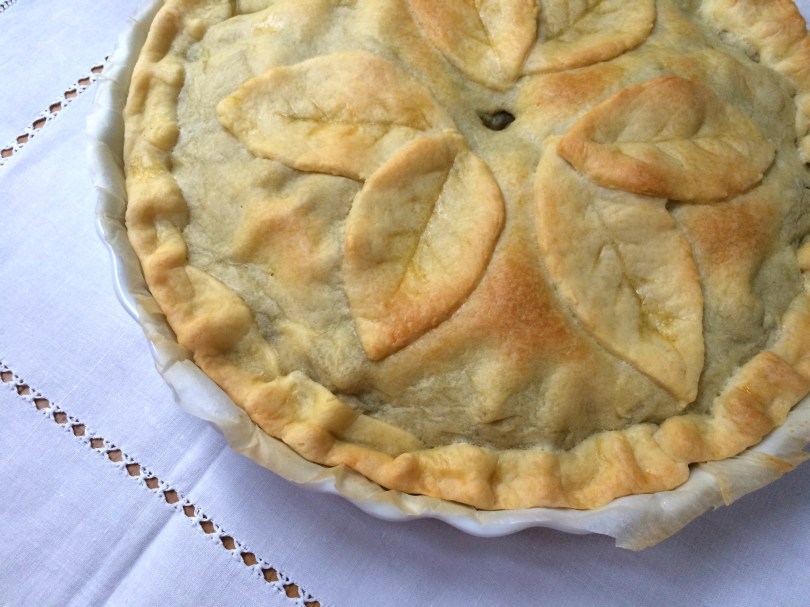
Preheat your oven to 350°F (175°C). Line your pie plate with one of the pie crusts, making sure to press the dough into the bottom edge. Place the seitan into the crust, distributing it evenly across the bottom. Cover with the vegetable mixture. If the bottom crust hangs over the edges of your pie plate, as mine does (see above), measure the diameter and cut a circle of dough to form a top crust that will just cover the filling and then fold the overhanging dough of the bottom crust over the top and crimp the edges with your thumbs. With the remaining dough, you can cut leaf shapes (or whatever other shape that strikes your fancy). To make sure my leaves were all the same size, I cut a template from a piece of scrap paper.

Arrange the leaves symmetrically on the top crust and poke a hole in the center of the crust for hot air to escape. To give the crust a bit of shine, brush unsweetened soy milk over it evenly. Bake the pie on a center rack for about 35 minutes until it’s golden brown and smells scrumptious. 🙂

Remove from oven and allow to cool at least 30 minutes before cutting into it. If it’s still too hot, the filling will spill out from the sides onto the plate and you won’t have a nice solid slice. For this reason, it can be useful to make this dish ahead of time and then just heat it up briefly in the oven before serving.

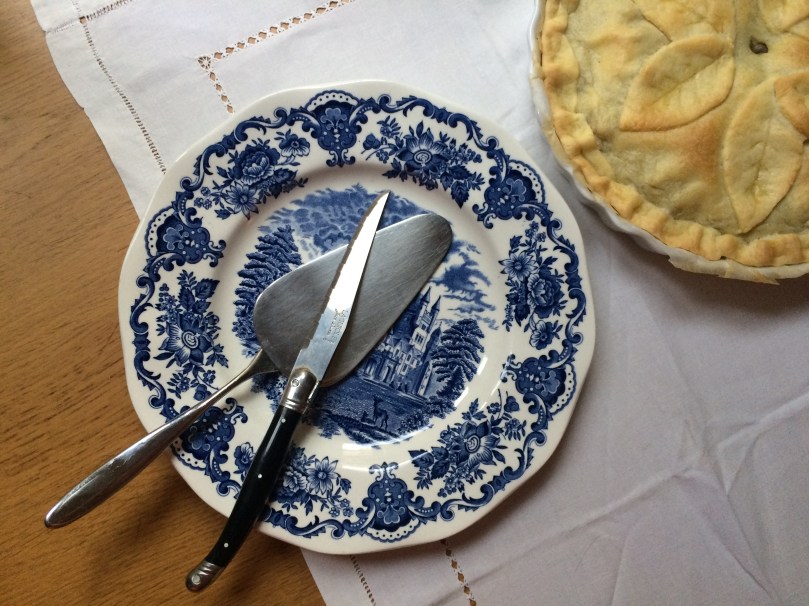
Ideally, or perhaps depending how much of a Poldark fan you are, you’ll present this pie on a table spread with an old-timey delicate tablecloth like this one that I happened to find at a rummage sale just the other day, and you’ll use vintagey plates and cut it with a rustic-looking knife. A flagon of ale or glass of red wine will be the perfect accompaniment.

IMG_5829.jpgIMG_5833IMG_5837IMG_5839IMG_E5872IMG_5898IMG_6016.jpg

At the end of dinner, bring out a dish filled with fruit native to Europe (I often notice grapes on the characters’ tables on the show). By the way, check out the monogram on my rummage-sale tablecloth! There’s an R for Ross, and an A for…? Hmm, that part doesn’t fit as well.

poldark clifftop

After your meal, take a stroll to the nearest clifftop and gaze out at the sea dreamily as the wind blows through your hair.

Variations: Use the same filling to make individual pasties, cutting each pie dough in half and folding each half over once to make a turnover shape. Use other firm vegetables such as carrot or broccoli instead of potato and turnip. Just make sure they’re fairly tender before they go into the pie.

Bricks, doughnuts and sunshine

A few weeks ago I had the extremely good fortune to get invited to stay a week in London completely for free (well, after train fare). That’s an offer you just can’t refuse. So I packed up my laptop, arranged cat-sitters for Sésame and was off!

I love London and try to visit once a year. As a native English speaker living in France, it’s always somewhat refreshing to step on a train and in a couple of hours arrive at a place where I can just open my mouth and start talking with zero thinking-ahead time. Or rather, knowing that whatever I say will be completely normal. Or as normal as American talk can sound to English ears, I guess. 🙂

But more than that, when I arrive in London I always feel a general sense of comfort that I don’t get at “home” in Paris. It’s less densely populated, for one thing, and sidewalks are wider. People are much friendlier, something that even my introverted self values highly, as loyal readers will recall from this episode. And it’s also one of the vegan capitals of the world. So even though I like many aspects of living in France, a trip to London always feels like a visit almost-home.

Since I visit fairly often, I have the luxury of exploring the city at a leisurely pace and visiting just a few sites in each trip. This time, I mainly hung out with the friend who invited me, worked (as I couldn’t take the time completely off without longer advance notice) and enjoyed the city’s street art.

Allow me to take you on a little guided tour of my week.

First, the bricks! One of the first things I always notice when I get to London are the many brick buildings – bricks being rather few and far between in Paris. There’s something very grand and majestic about them, and something warm and inviting too, don’t you think? The university I went to in Milwaukee had several old brick buildings with ornate decorations (a bit like the one with the green door above), so bricks often bring me comforting memories of strolling about the campus, my mind filled with some fascinating thing I’d just learned, and of breathing in the vanilla scent of an old book I’d just cracked open at the campus library. I miss those days.

And the doughnuts! Somehow I’d never noticed before that doughnuts are largely absent from the pastry landscape of Paris. Logical enough, right? Since they’re not a traditional French thing. But neither are cupcakes or chocolate-chip cookies, and those are all over the place. So I think some room could be made for doughnuts. When I was still living in the States I wasn’t particularly a doughnut-eater, past childhood at least, but I was fascinated by the doughnuts London seems to suddenly have in abundance, and with very original flavors/themes. The nice thing is that most mainstream doughnut purveyors now offer not zero but several vegan options! The same is true for cupcakes (see photos). This was not the case just a few years ago, so things are really starting to move.

From this excited description you’ll probably assume I spent my time in London eating doughnuts. But I was actually more interested in their existence, and in taking photos of them. I ate just one during this visit: a massive caramel buttercream and speculoos-encrusted affair with coffee glaze called Houston, We Have Biscoff from Doughnut Time.

It also happened to be unseasonably warm and sunny the week I was there, especially for a city known for being overcast and foggy. The first day was as chilly as can be expected for mid-April, justifying tights and a light jacket, but after that it was positively summery. The sun shone brightly the whole rest of the week, and fruit trees were in full blossom. At the end of my stay, a local joked that I’d just experienced all the sunny days London would have in 2018. That could very well be true! In any case, I felt lucky to be able to soak up the sunshine and synthesize some vitamin D after the long, gray and depressing winter we had.

streetart4.jpg

I really appreciated the nice weather as I walked around the city in search of street art! The piece above is by Steve Powers. Incidentally, when making this piece he commented, “I love working in public and I love painting brick walls. London has some of the finest brick walls in the world.” You see what I mean about those bricks!

Two works by the world’s most famous street artist, Banksy. The one on the left appeared last year on a wall of the Barbican when a retrospective show dedicated to Haitian-American artist Jean-Michel Basquiat opened there. In it, we see how Banksy imagined the late artist (depicted in Basquiat’s signature style) being received by the British police when arriving for his own exhibition. Surprisingly enough, the Barbican did not repaint the wall and even put up some Plexiglas to protect the street art.

IMG_2979

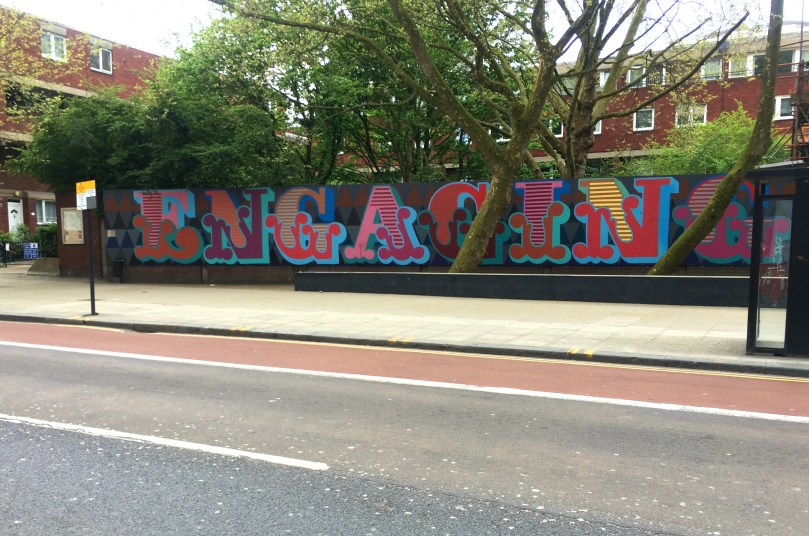
A piece on Old Street by Ben Eine.

Left: Queen Elizabeth II as the guy from A Street Cat Named Bob, down on her luck and trying to sell copies of The Big Issue (Loretto). Right: giant stick people look down benevolently upon Shoreditch (Stik).

streetart14.jpg

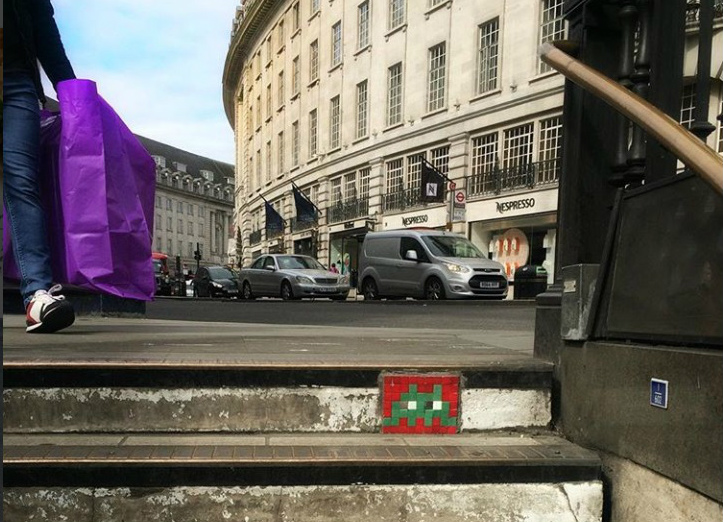
I also did some hunting for mosaics by French street artist Invader to up my Flashinvaders score. At the time of my visit, London had 84, so this became a rather big undertaking. With the help of a local space invader hunter, I was able to find 77 of them by the week’s end. Below is a selection of my favorites.

My space invader hunt took me to a place I somehow hadn’t been aware of but that’s now my new favorite London museum! So I’d like to take a moment to share some glimpses of it with you…

IMG_2742.JPG

If, like me, you love the city of London and also enjoy seeing how people of the past lived, this museum is for you. It takes you through the city’s history from Roman times to the present, giving you a sense of how things once were in the form of artifacts and models. Included are souvenir mugs commemorating Charles II’s coronation, amulets for warding off the plague, very old false teeth, the actual wooden walls from a 1750s prison cells complete with graffiti by prisoners, a series of streets and shops from the Victorian days, fashions of the 20th century, models of row houses, Elizabeth II’s coronation memorabilia and finally books printed in other languages for immigrants to England (including a book designed to teach children of Polish immigrants to read and write their parents’ language – Polish now being the second-most spoken language in the UK).

By now you may well be wondering what there is to eat in London besides doughnuts! We did of course visit some of the city’s many fine veg*n eateries, such as Mildreds, By Chloé and Temple of Seitan.

My very favorite this time was a new 100% vegan pub called The Spread Eagle near Hackney. It opened in January and right from the start, a waitress explained to us, the owners made sure that everything used there was vegan, from the alcohols and other beverages (free from animal-derived filtering agents) down to the cleaning supplies and hand soap in the restrooms (from brands that don’t test on animals) and the upholstery on the bar seats (something other than leather/wool).

From Wednesday through Sunday every week, they serve super-delicious vegan Latin dishes by Club Mexicana. We had the chick’n “wings” with hot sauce and salsa verde, beer-battered tofish tacos, jackfruit and garlic tacos, a giant salad with popcorn chick’n and finally deep-fried ice cream with Mexican chili-chocolate sauce and cinnamon. It was so good that before we even finished eating, I started feeling sad that I couldn’t have it more often. If you’re in London but can’t make it as far as this pub, or the days don’t work out, you can find Club Mexicana fare at Camden Market seven days a week.

Another pleasant surprise in the good-vegan-options-at-mainstream-places category was Leon, a chain with locations all over the city. One evening when I was tired from walking too much (see “street art” above), not wanting to go anywhere far from the place I was staying, I wandered in to see what they might have.

I tried their meatless meatballs – made with eggplant/aubergine, black olives and rosemary and served over rice with some kind of magical tomato sauce and garlic aioli – and was blown away! I’m hoping and praying they come to Paris! Incidentally, I found their recipe for the meatballs, but they don’t say how to make the sauce… I think it’s too top secret to share. 😉 Another time I stopped in, I found that they also offer several vegan dessert/pastry items, like this baked pistachio & rosewater doughnut. So I guess I did have more than one doughnut on this trip after all! But this one was normal-sized.

So there you have a few ideas for things to do and places to eat next time you’re in beautiful London.

Waldorf salad

“What is a waldorf, anyway? A walnut that’s gone off?”

“I think we’re just out of waldorfs.”
“There’s no celery, would you believe it!”
“If this was back in the States I wouldn’t board my dog here.”

For many people, it’s impossible to think of Waldorf salad without remembering the Fawlty Towers episode of the same name, which sees neurotic English hotelier Basil Fawlty (John Cleese) confronted with an impatient and shouty American guest who demands a salad he has never heard of.

After Basil’s first attempt to dodge the request, claiming the kitchen is fresh out of waldorfs, the guest and his wife inform him of the recipe, shouting “celery, apple, walnuts, grapes—in a mayonnaise sauce!” in his direction several times when he is slow to produce the salad. When Basil fails to find all the ingredients and goes to unreasonable lengths to put the blame on his (absent) chef, the guest becomes more and more enraged and, as often happens when Basil is involved, the situation degenerates into a public shouting match. Try to find the episode if you haven’t seen it, and discover how it happens that Basil himself orders the elusive salad by the end.

As Basil’s wife informs him during the episode, the salad is named for a hotel—more specifically, the Waldorf-Astoria hotel in New York City, where maître d’hôtel Oscar Tschirky invented the dish in 1896 for a charity ball.

Now you can join in on the fun and make a Waldorf salad of your own! It’s a salad that everyone always likes and also the perfect dish to bring to a picnic or potluck Easter brunch, as I confirmed a few weeks ago. And the shouting match is optional.

Waldorf salad

Serves 4 to 6 people

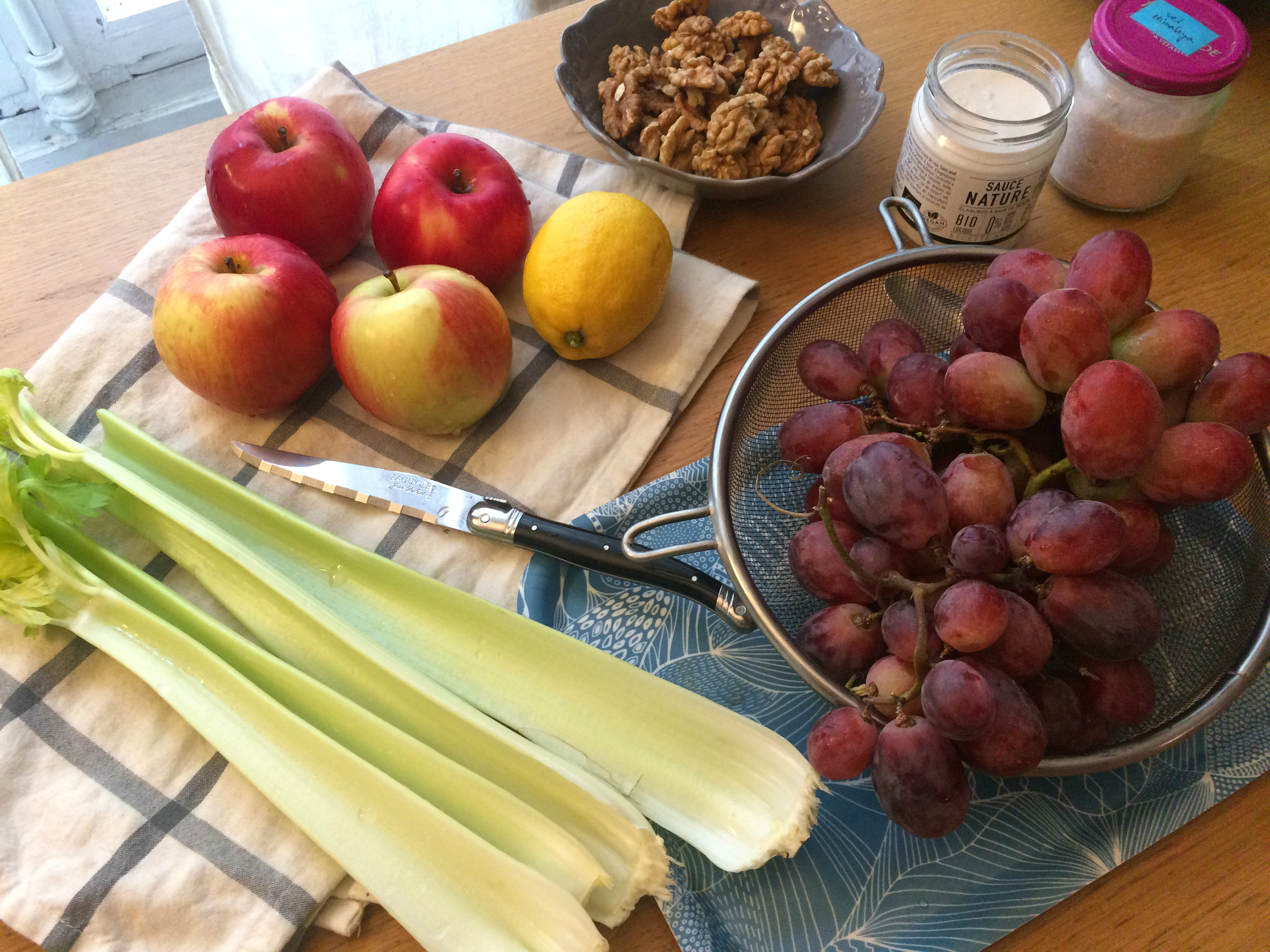
  • 3 red-skinned apples, cored and chopped
  • 2 cups red seedless grapes, sliced in half
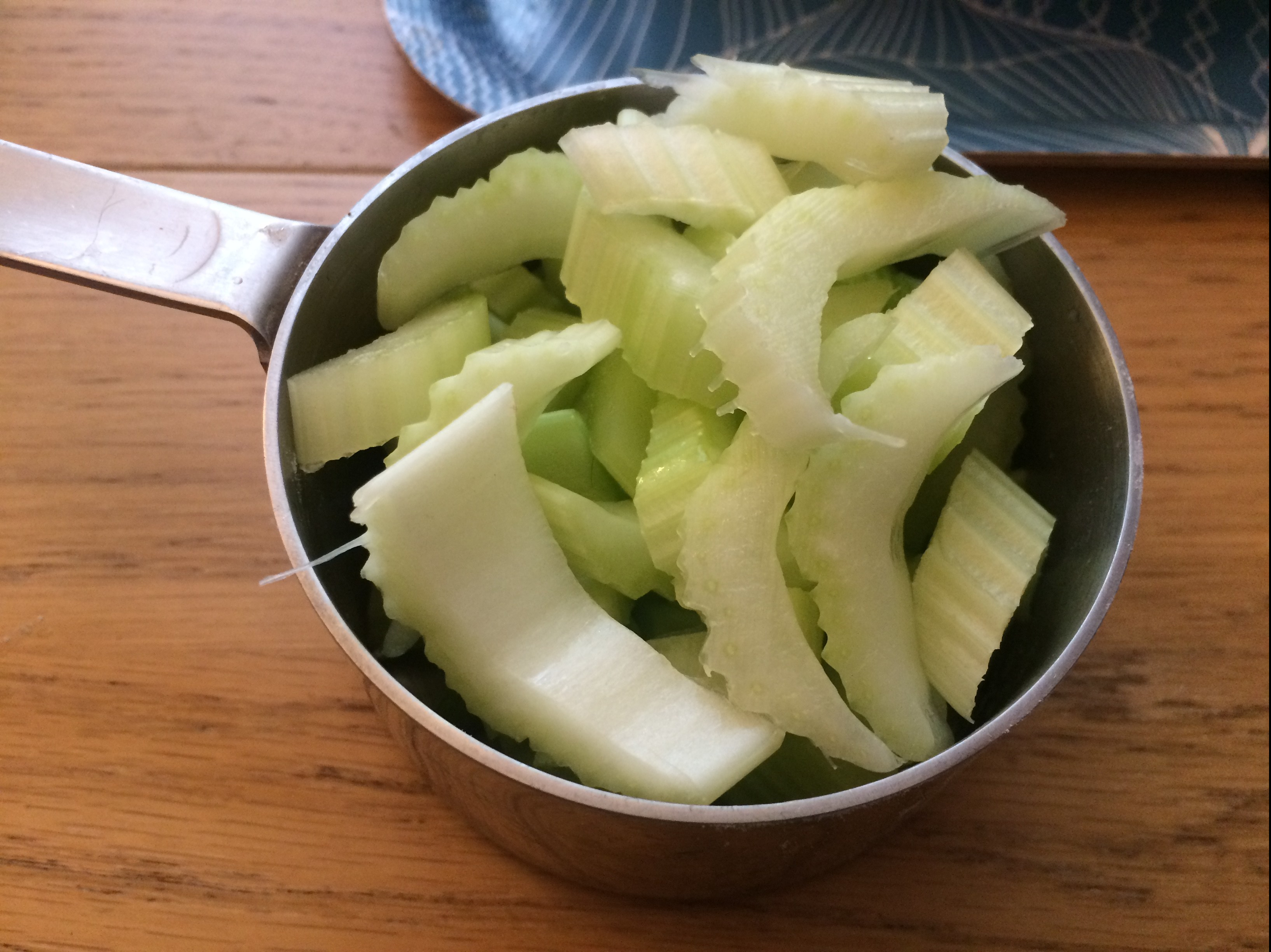
  • 2 cups celery, thinly sliced
  • 2 cups chopped, lightly toasted walnuts
  • Lettuce, for serving (optional)
  • 3/4 cup vegan mayonnaise
  • 2 tablespoons lemon juice
  • 1/2 teaspoon salt
IMG_1281
IMG_1293
IMG_1295

Begin by cutting the apple, celery and grapes into bite-sized pieces. Combine together in a large salad bowl.

IMG_1304

Next, toast your walnuts, allow to cool, and then roughly chop.

IMG_1298

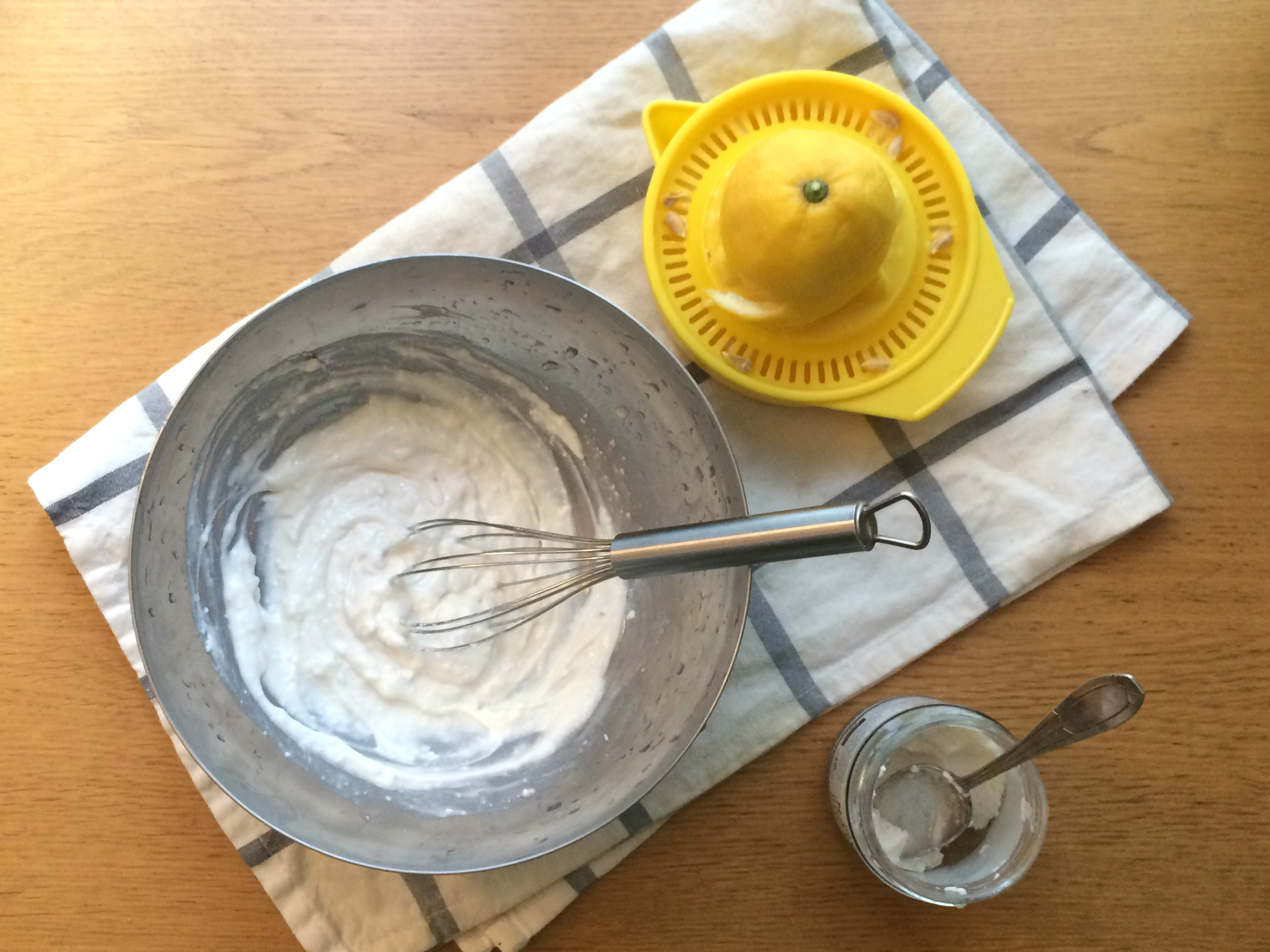
Now prepare the sauce by mixing the mayonnaise with the lemon juice and salt.

IMG_1305

Add the walnuts to the salad bowl, spoon the sauce over the top and stir until evenly coated.

IMG_1307c

Serve individual portions on fresh lettuce leaves, if you like.

IMG_1309

And there you have it! A Waldorf salad that will satisfy even the most demanding American that visits your hotel. 🙂

Variations: substitute raisins for the grapes (or use in addition), experiment with different types of nuts, use plain yogurt in place of the mayonnaise.

Almond cake with chocolate glaze

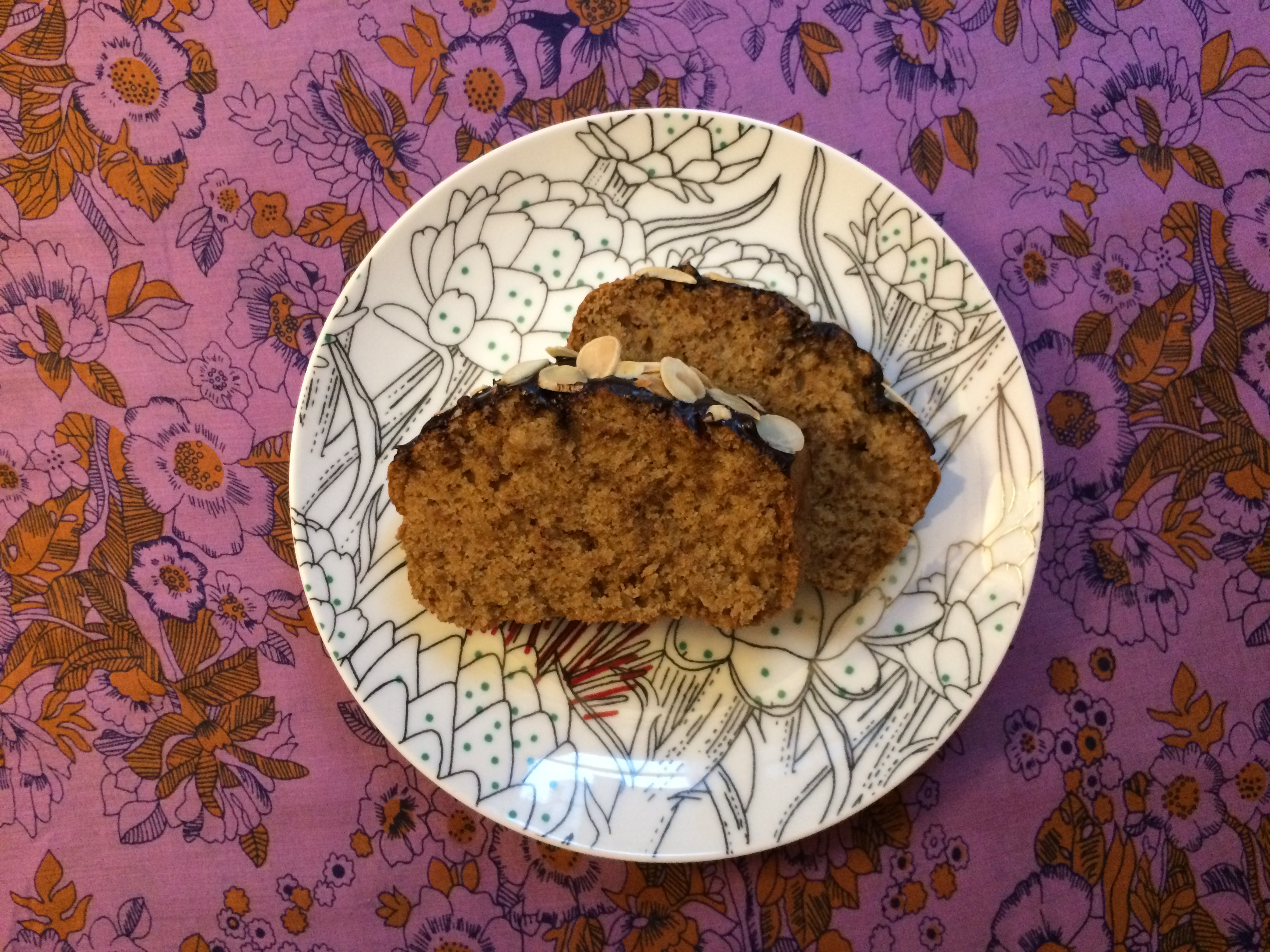
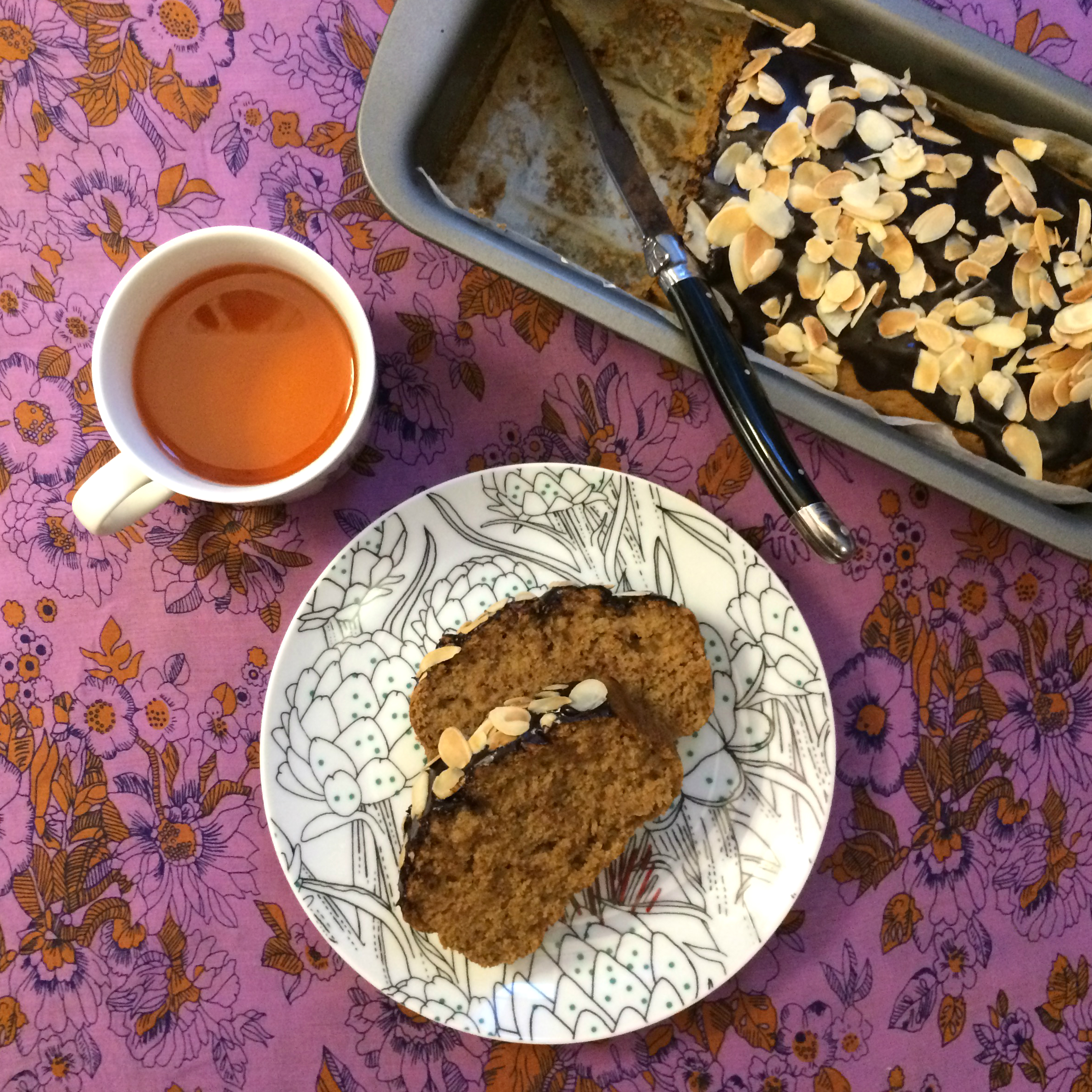
A few weeks ago, I was invited to dinner at a friend’s place in my neighborhood, and I’d volunteered to bring the dessert. As the day drew near, I still hadn’t decided what I was going to make but felt I would surely be able to come up with something considering all the ingredients I had in my kitchen. And then, predictably enough, on the day itself I received some unexpected work that left me without much time to prepare the dessert. So I began making my basic cake recipe and was wondering what to flavor it with when my eye landed upon the huge jar of white almond butter I’d recently bought. Almond cake it would be!

The cake was a big hit with my friends, but was super simple to make. The almond butter makes the cake super moist, and a bit of almond extract boosts the almondy fragrance while the dark chocolate glaze adds some contrast and an extra bit of sweetness.

And today, in response to the many requests I’ve received for the recipe, I bring you the instructions to make it! The cake shown in these photos is a bit darker than my prototype because I used unrefined raw sugar rather than white sugar, but either would work. Note that this recipe uses less sugar than for the average cake you would find at a bakery or restaurant, but the maple syrup in the chocolate glaze makes it sweeter. If you want the cake itself to be sweeter, add an extra ¼ cup sugar to the batter.

Almond cake

Dry ingredients:

1½ cups (188 g) all-purpose flour
½ cup (100 g) granulated sugar (raw or white), add an extra ¼ cup for a sweeter cake
1 teaspoon baking soda
½ teaspoon salt

Liquid ingredients:

1 cup (236 ml) cold water
¼ cup (50 g) white almond butter or cashew butter
3 tablespoons grapeseed oil or other neutral-tasting oil
1 tablespoon white vinegar or apple-cider vinegar
2 teaspoons almond extract
1 teaspoon vanilla extract

Chocolate glaze topping:

¼ cup (60 ml) maple syrup or other liquid sweetener
2 tablespoons unsweetened cocoa powder
tiny pinch salt (optional)
handful of almond slivers, toasted

Equipment needed: whisk, cake pan(s).

IMG_0816

Begin by preheating your oven to 350°F (180°C) and preparing your cake pan. Line it with baking paper or apply a coat of oil to the bottom and sides.

IMG_0801

Combine your dry ingredients (flour, sugar, salt and baking soda). I used unrefined raw sugar (the dark powder), which accounts for the dark golden brown color of the cake, but you can use white sugar if you would like a lighter colored cake.

IMG_0817

Mix the dry ingredients together with a whisk until completely combined.

IMG_0809

Use a smaller bowl for the liquid ingredients. Shown above is the white almond butter. If you can’t find this product where you live, substitute cashew butter (for the same color) or regular brown almond butter, but note that the cake will be a darker color if regular almond butter is used, even if you use white sugar. If your nut butter is dry and stiff, mix a small amount of hot water into it until it has a pourable texture.

IMG_0815

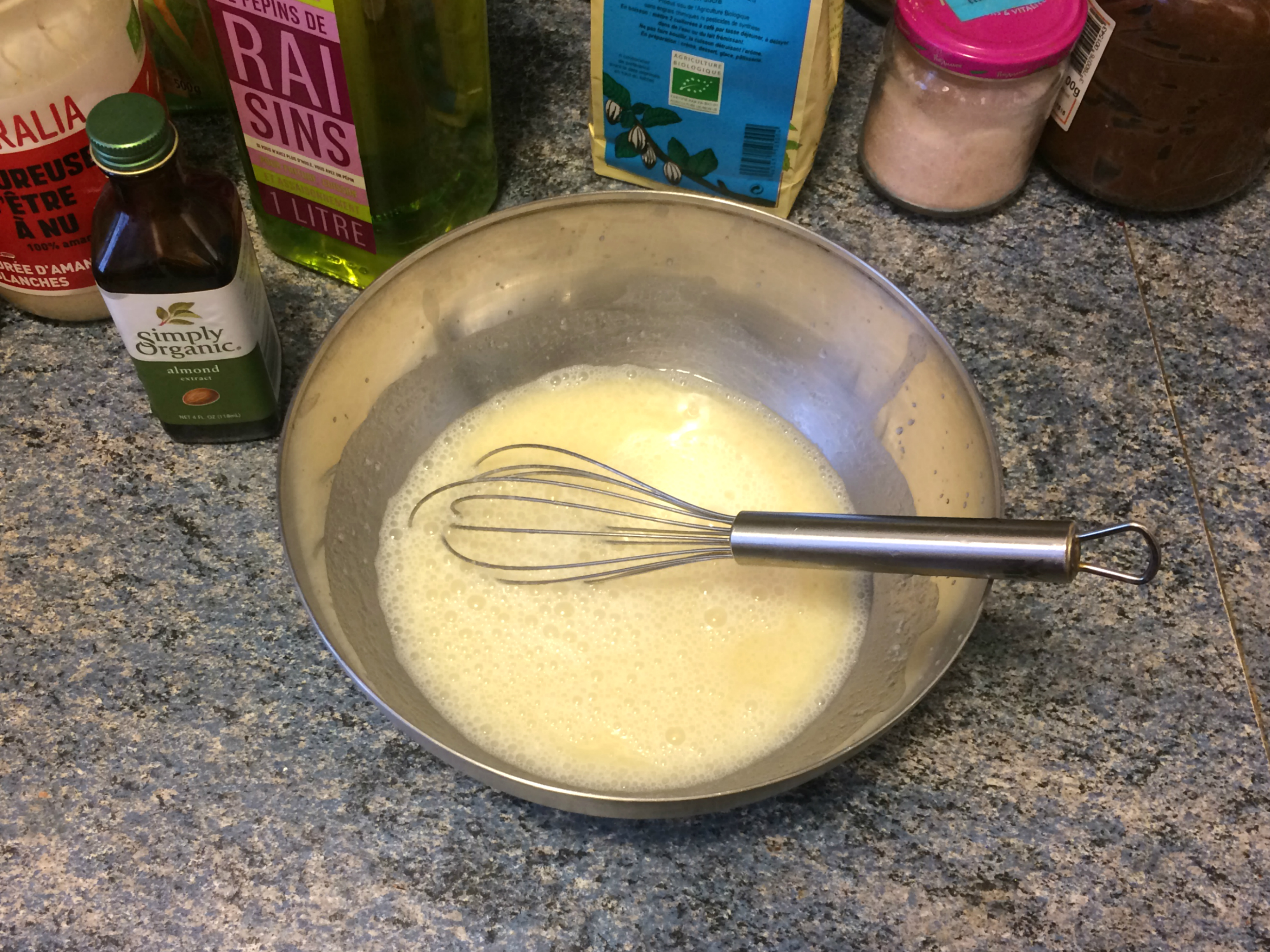
Add the rest of the liquid ingredients (vinegar, almond and vanilla extracts and water) and stir thoroughly with a whisk to incorporate it into the nut butter. Pour the liquid mixture into the dry mixture and stir with a wooden spoon until just combined. Be careful not to stir any more than absolutely necessary as too much stirring of flour can make the cake turn out tough.

IMG_0819

Pour the batter into the prepared baking pan and tap the sides gently to remove any air pockets. Place it in the preheated oven and bake for 25 to 28 minutes. Check your cake after about 23 to 25 minutes – my cake needed 28 minutes, but you never know!

IMG_0824

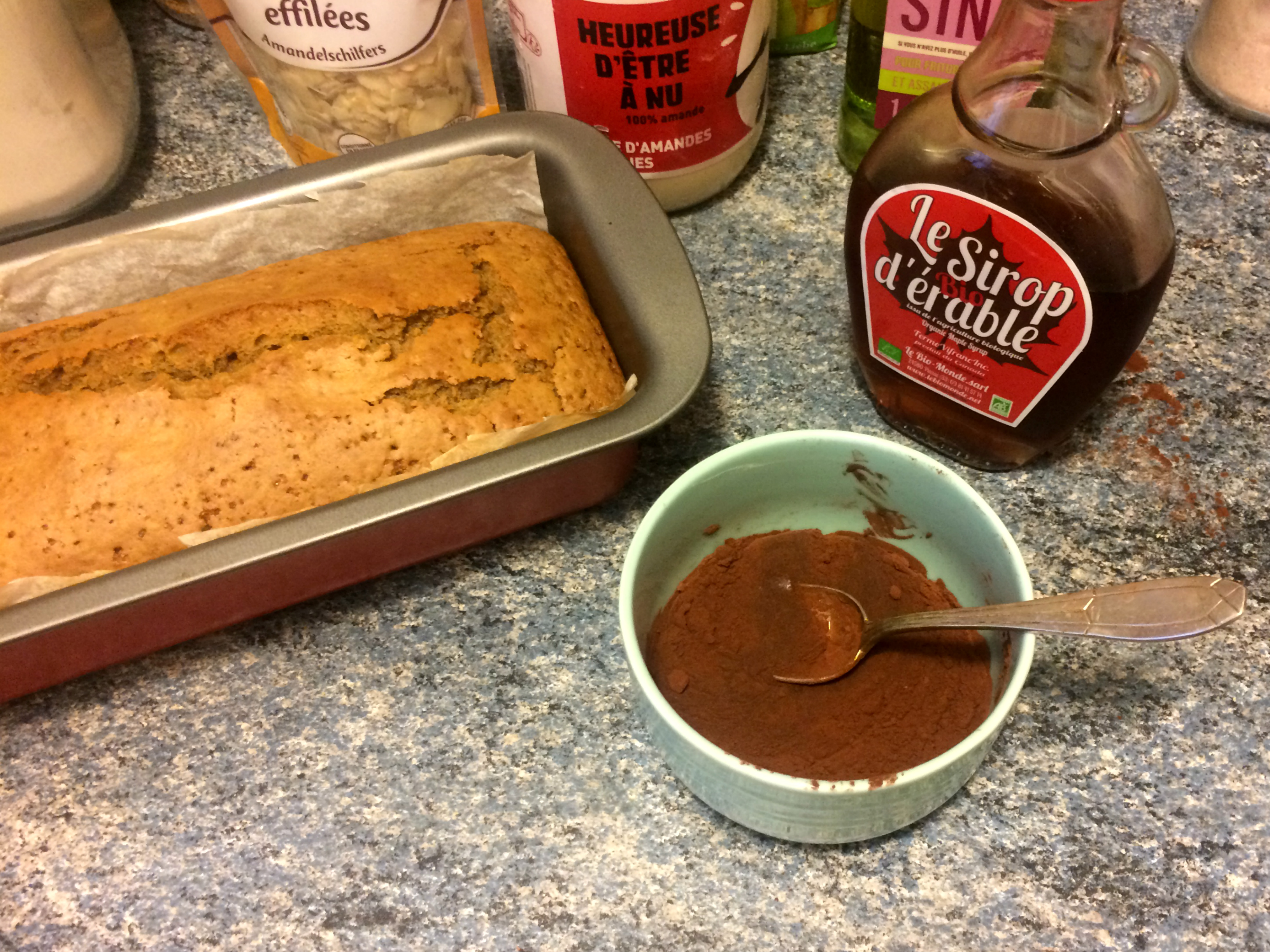
Once the cake is done baking, place it on a wire rack and allow to cool for about a half hour. In the meantime, you can make the chocolate glaze. Put the cocoa powder, maple syrup and salt together in a small bowl and stir with a spoon or small whisk. At first it will seem like the powder will never incorporate, but keep going and it will! If you need to thin it out after that point, you can add more syrup. You may also find that it needs to be thinned a bit after it’s been sitting for a little while.

IMG_0827

You can also toast your slivered almonds at this point. Put them in a non-stick frying pan without any oil, and heat over medium, shaking occasionally and keeping an eye on it to be sure they don’t burn. Once they’re done toasting, remove the pan from the heat and transfer the almonds immediately to a plate or bowl so they don’t continue to toast.

IMG_0932

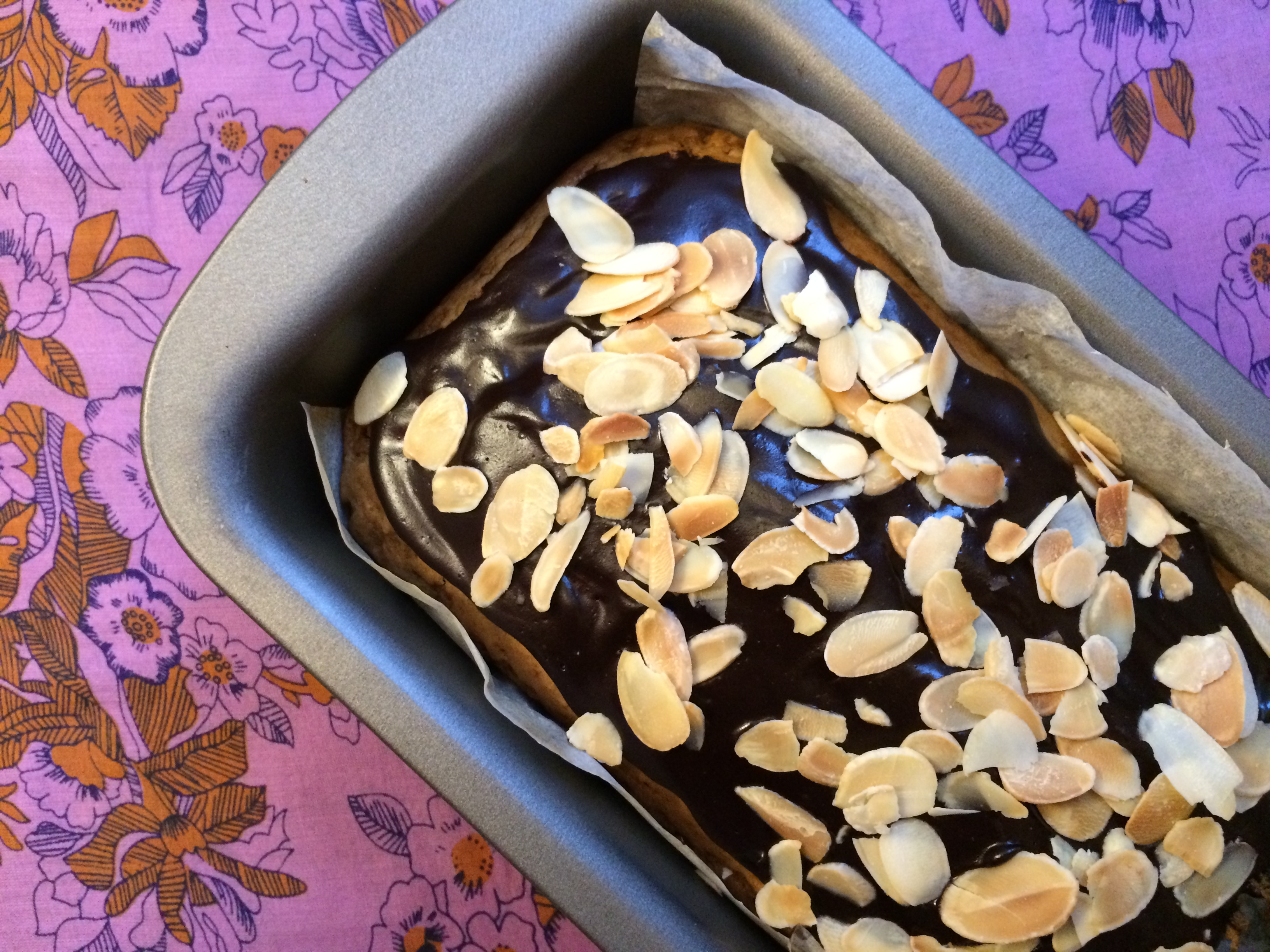
Apply the chocolate glaze to the top of your cake using a spoon or spatula, and then sprinkle with the toasted almonds.

IMG_0944_c

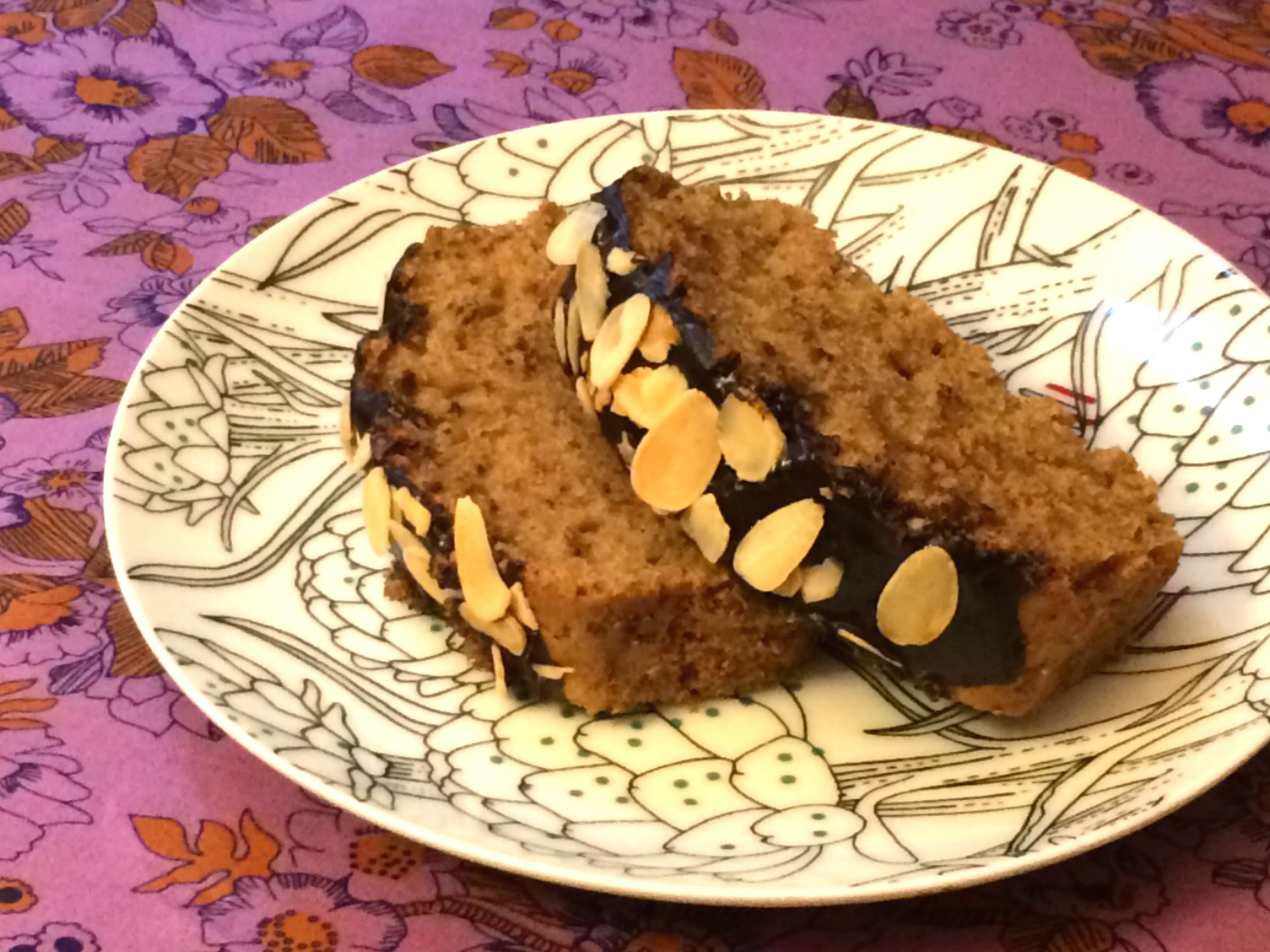
And there you have it!

IMG_0939IMG_0925IMG_0946IMG_0973

Enjoy with a nice cup of vanilla and almond scented rooibos (I love roobios des vahinés from Palais des Thés).

IMG_0984

Variations: Try a different nut butter (hazelnut, peanut?), sprinkle with different toasted nuts, dried coconut, and/or fleur de sel.

White chocolate mendiants

It’s that time of year again… hearts seem to be popping up all around town, mingling strangely with the last remaining Christmas decorations and sometimes (like this year) accompanied by snow. For my Valentine’s Day post last year, I waxed philosophical about the meaning of the holiday and presented you with a recipe for sugar cookies with rosewater-raspberry icing. This year, perhaps inspired by all the discarded Christmas trees I’ve been walking past on the sidewalks over the past few weeks, I decided to revisit a traditional French yuletide confection in a white, pink and red version.

As with the original dark chocolate version, this is a very easy and versatile recipe. You need only melt a bar of chocolate or two and then add whatever fruit and nut toppings you like. At the end, you have a very cute little DIY treat to give to your loved ones.

White chocolate mendiants

Makes around 12 mendiants

Ingredients:

  • about 5.6 oz. (160 g) vegan white chocolate
  • a few teaspoons of coconut oil, if needed to thin the chocolate (do not use any other type of oil)
  • freeze-dried strawberry slices
  • dried cranberries or other dried red berries of your choice
  • optional: toasted almond slivers, toasted pine nuts, candied ginger

Equipment needed: double-boiler or metal mixing bowl plus saucepan, parchment or waxed paper. A tray that can fit inside your refrigerator and a heat-safe silicone spatula will be handy too.

Gather the white chocolate plus all the berries and any other toppings you want to use. I used these 80-gram bars of vanilla-infused white chocolate from iChoc that I found at Un Monde Vegan in Paris, but if you live somewhere else you can look for white chocolate at an organic shop or online.

IMG_7354

Set up a double-boiler or, as I have done here, boil some water in a saucepan with a metal bowl on top. Make sure that the bottom of the bowl doesn’t touch the water.

IMG_7355

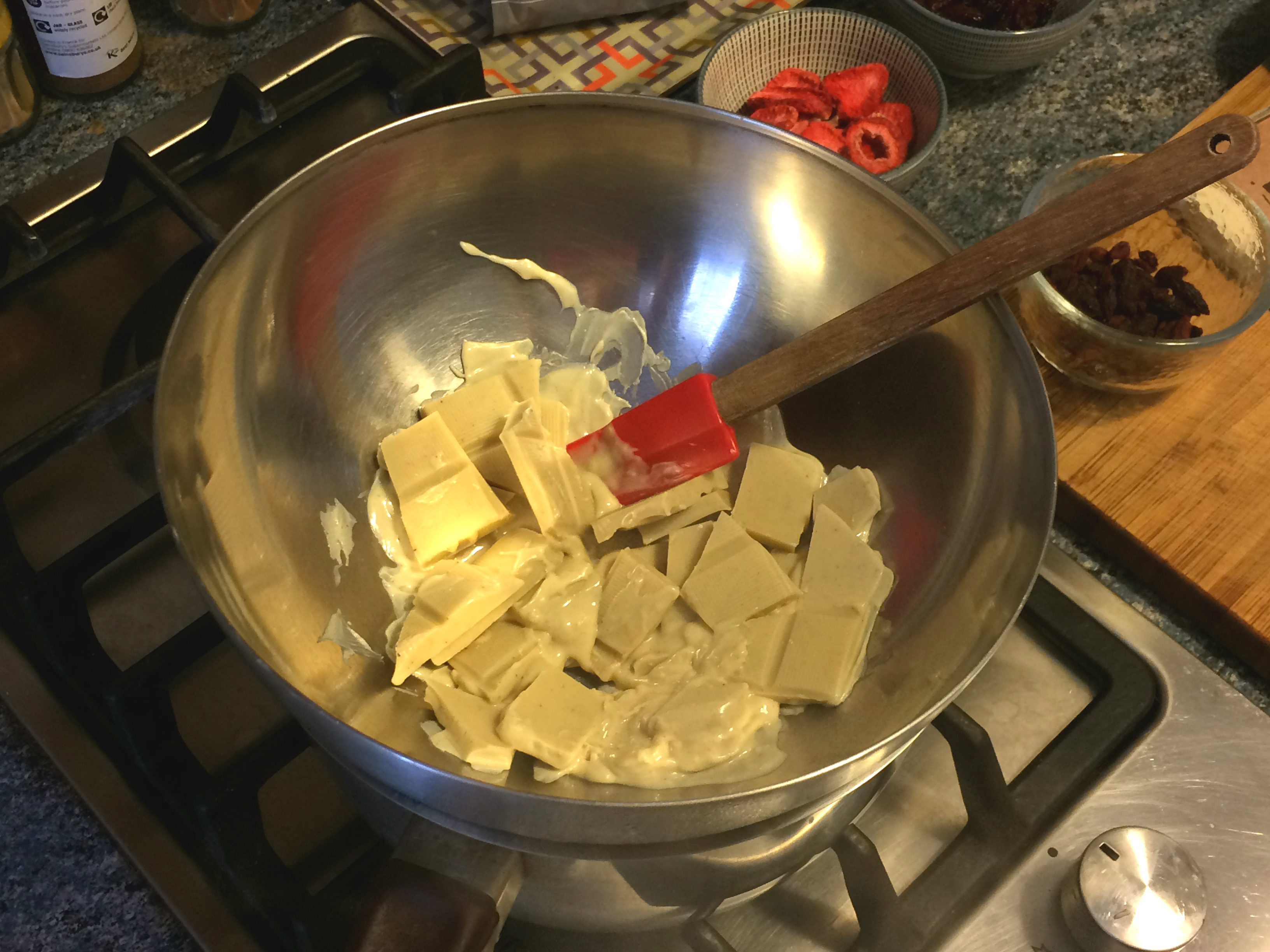
Break the chocolate into squares/chunks and put them in the bowl. You’ll be keeping the heat on so that the water continues to boil throughout the entire process.

IMG_7361

Using a heat-safe silicone spatula, stir the chocolate as it melts. While waiting for it to be ready, grab a tray that’s the right size to fit inside your refrigerator and prepare it with a sheet of parchment or waxed paper.

IMG_7362

If your chocolate seems too thick or dry, you can add a small amount of coconut oil to thin it. Add the oil sparingly, incorporating each amount to see the result before adding more.

IMG_E7372

When the chocolate has fully melted and become smooth, place a teaspoonful or so onto a sheet of parchment paper and shape into a circle of even thickness. Make only around six rounds at once so you have time to garnish them with the fruit and other toppings before the surface of the chocolate cools. Once you’ve filled an entire tray, place it in the refrigerator to cool and set (this takes about an hour).

IMG_7363

Continue the process with the remaining melted chocolate. I melted three bars, which made about six mendiants per bar, and opted to do a different type of topping with each set of six. For the ones above, I used strawberries, cranberries and some almonds. I added a few pine nuts here and there after taking this photo.

IMG_7370

A strawberry-only version. Which of these three topping versions do you like best?

IMG_7379

After about an hour, the mendiants should be fully cooled and set. You can take them out of the fridge and put them on a plate!

IMG_7380

I plated mine for this post on this great contrasting blue/green plate that I nabbed in the sales at Habitat the other day… but if you’re making these to give to friends as gifts, you can wrap them up in a bit of waxed or parchment paper tied with some fancy string.

IMG_7433

They look kind of nice on a smaller rectangular plate, too.

IMG_E7390_b

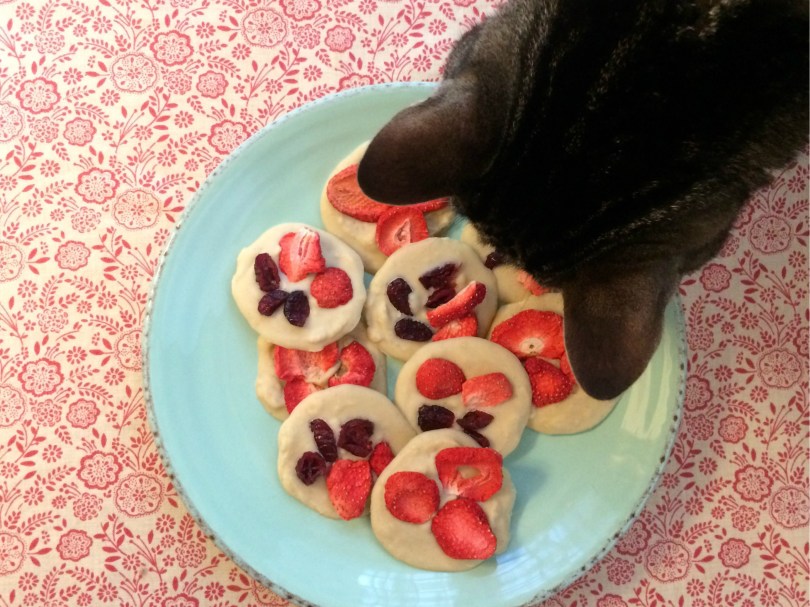
Two paws up from Sésame, who wishes you a very happy Valentine’s Day, by the way. 🙂

Enjoy!

Variations: experiment with other combinations of fruit and nuts. Make some dark chocolate mendiants to create an assorted set.

My best breakfasts of 2017

Last January, I wrote a post about the best books I’d read in 2016. But this past year, I didn’t read quite as many books and none of them were really exciting enough to devote a whole post to. So this January, for something a bit different, I’ve decided to talk about the 15 best breakfasts I had this past year. Some are my own original recipes, others are from cookbooks and a few were at restaurants or food stands. If you follow me on Instagram, you might recognize some of them!

As with my post about the books, my goal is to inspire you to try some new things. You might find a new favorite flavor combination or get ideas for further experimentation.  Many of these are simple enough that you can reproduce them just from the photo and description, but in other cases I’ve tracked down recipes for similar dishes or provided a link when the dish is from the archives of this very blog.

I’m a big fan of breakfasts—I find that having a substantial meal in the morning (with coffee or tea, of course) is a great way to start the day with enough energy to get a lot of work done before a mid-afternoon break. I often have just a large-ish breakfast and then dinner without any lunch. Of course, it helps that I work from home and can take the time—when there are no urgent deadlines—to make something interesting. But if you have an office job and are short on time in the mornings, these may still give you some ideas for things to prepare ahead of time, or to make for weekend brunches.

yogurt.jpg

Fresh seasonal fruit (here, apple and persimmon) over plain soy yogurt can make for a simple but tasty and vitamin-rich breakfast. Here, it’s drizzled with Bee-Free apple honey (substitute maple, rice or agave syrup) and topped with chopped toasted almonds.

IMG_7278

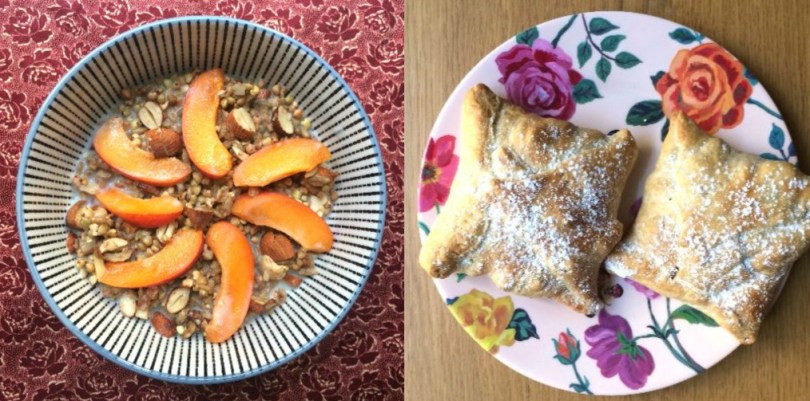
Homemade turnovers are really easy to make when you buy premade flaky pie dough and have an apple (or other fruit—pear, banana, berries, etc.) on hand. Check out my recipe for apple turnovers with a sweet, lemony miso paste.

IMG_8228b

On Saturday mornings, all year round, there’s an organic outdoor farmers’ market in my neighborhood (on boulevard des Batignolles in the 17th between metro stations Rome and Place de Clichy). If you live in Paris or will be passing through, you can stop by for some vegetables and also pick up one of these delightful savory chickpea galettes with a soy-basil sauce. They’re completely vegan and super filling and yummy. Look for the stand in the easternmost section of the market, the part closer to Place de Clichy. Or if you’re a Sunday shopper, you’ll find the same people operating a stand at the boulevard Raspail organic farmers’ market in the 6th near metro station Rennes. Alternatively, stay home and make this one yourself!

scones

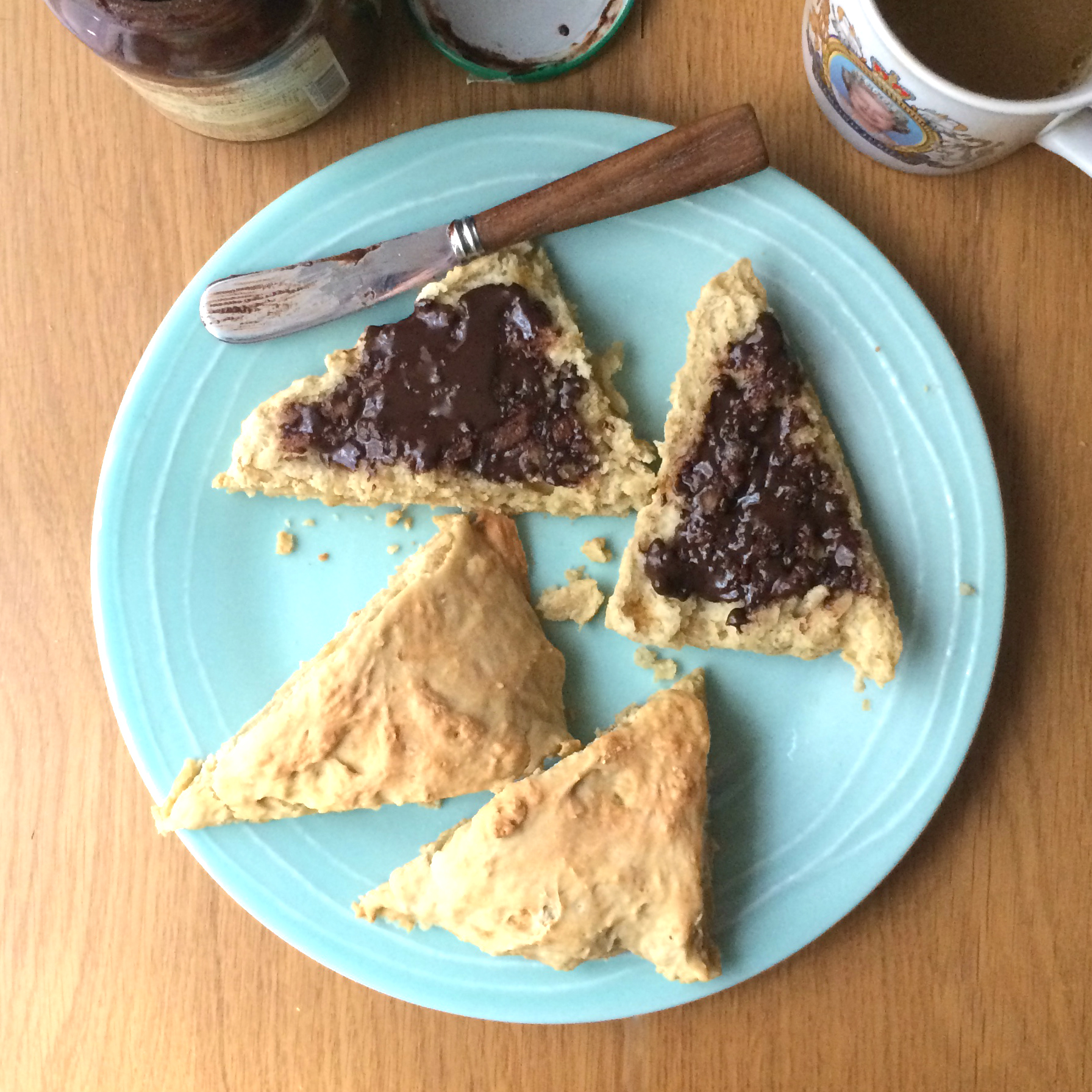
I recently acquired a great French cookbook devoted to breakfast recipes, L’Heure du petit-déjeuner végane a sonné by Melle Pigut. I love her recipe for scones and make it often. They’re very easy to throw together, as long as you can wait 20 minutes for them to bake! Here, I have spread them with a vegan chocolate-hazelnut spread. If you don’t read French or can’t find this book, you can try this recipe.

bestSQ

This pudding-like dish made with sorghum is a common breakfast dish in Tunisia that I recently learned how to make. I’ve garnished it here with toasted almond slices and Bee-Free apple honey, but you could top it with fruit, grated coconut or whatever else strikes your fancy. Check out the recipe here!

IMG_8881

As an American, I have an undying affection for peanut butter and love incorporating it into breakfast dishes. I find it makes any dish more substantial and provides long-lasting energy. Here, I have spread some on toasted English muffins (newly possible to find in France!) and topped them with fresh nectarine slices and toasted pumpkin seeds.

IMG_0933

This amazing bowl of overnight oats, which I enjoyed at Vegabond during my stay in Amsterdam this October, is one of the best breakfasts I’ve ever had, ever. It was made with rolled oats and chia seeds and topped with green apple, pecans, plenty of cinnamon and a fresh physalis berry. You can try making your own overnight oats with this recipe.

IMG_9667

Another recipe from Melle Pigut’s breakfast cookbook that I loved is these potato flatbreads. They’re also quite easy to make if you plan a bit ahead and have some cooked potato ready. Here, I served them spread with hummus, grated carrot, some fennel seeds and black pepper. If you don’t read French, you can try this recipe.

porridgefigs.jpg

One of my favorite new finds in 2017 is a gluten-free rice porridge from Marks & Spencer, which has recently opened some stores in Paris. I’m not gluten-intolerant, but I happened to try this porridge and LOVE the texture… I find it to be softer and creamier than traditional oat porridge. Here, I made it using soy milk and topped it with fresh fig and peach slices and a sprinkle of toasted blond sesame seeds.

IMG_8804

If you want to prepare an extra-special breakfast or brunch item (best to start the night before), try this French fruit cheesecake. This one is made with apricots, but you could use just about any fruit.

0123.jpg

One memorable breakfast was this homemade buckwheat muesli with sunflower seeds and almonds that I made following a recipe in the French cookbook Délices déshydratés. Served here with soy milk and fresh apricot. A similar recipe in English can be found here.

banana icecream

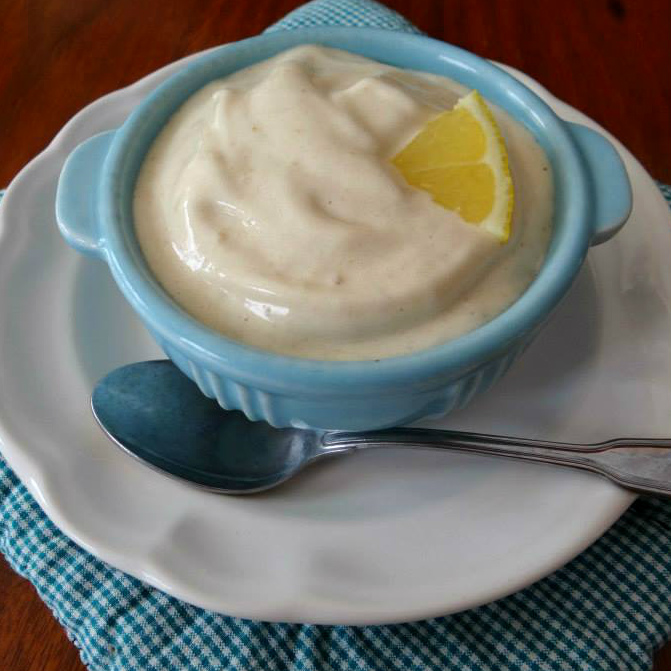
When it’s really hot out, banana ice cream makes a fantastic breakfast. The “ice cream” part makes it sound more like a dessert, but since it’s much more filling than traditional ice cream and is also just fruit, it’s ideal for the morning. To make it, simply follow these directions. Personally, I always add lemon juice too—I find that the banana/lemon combination strangely results in a cheesecake-like taste (don’t ask me why!). You can also opt to add other frozen fruit or cocoa powder, chocolate chips, etc.

IMG_8890

Another English muffin and peanut butter breakfast! This time the topping is sautéed mushrooms and red onion with a sprinkling of smoked paprika. I know this combination might sound weird to a lot of you, but I love it!

IMG_1770

This was a super yummy chia pudding with mango coulis and fresh berries that I had at a place called Superfoods & Organic Liquids (Mitte district) in Berlin. More about that trip coming soon! You can make your own chia pudding with this recipe. Chia seeds are amazingly good for you, by the way (read more about it in the recipe link).

bestSQ.jpg

Last but not least, if you’re in a French mood, try my recipe for basic sweet crêpes that you can fill with just about anything (even savory items, if you leave out the sugar). In the photo above, I served them with bergamot lemon juice and sugar.

What are your own favorite breakfasts? Are you more of a savory or sweet person? Let us know in the comments. 🙂 Until then, bon appétit!

Apple-miso turnovers

In recent months, I’ve spent less and less time on Facebook, having noticed that I was lingering too long there, focusing on trivial or not-so-positive posts to the detriment of more productive activities. But I like to pop in every once in a while since there are also cool people to meet and useful discoveries to make. The other week, mindlessly trawling the site in spite of myself, I struck gold: Elizabeth Andoh had just posted her recipes for lemon and ginger flavored miso sauces designed to go with fruit. As a big fan of sweet and salty combinations—mango with lime juice and salt, chocolate with fleur de sel, popcorn tossed with both salt and sugar—I was immediately on board. I wasted no time in making these sauces and trying them paired with figs and nectarines, the fruit available at the time. Delicious.

Soon enough, my brain began trying to work out other ways to use these sauces, and I landed upon the idea of adding flavored miso to a fruit pastry! I tried it in apple turnovers, long a homemade breakfast mainstay for me, and loved the result. I understand if that sounds strange to you, but bear with me here. The miso adds a whole new dimension to the panorama of flavors, highlighting the delicate sweetness of the fruit with the contrast of its earthy, salty umami notes. The result is also vaguely reminiscent of a cheesy taste, so you could think of it as a Japanese cheese danish. Also, remember that French woman in Pulp Fiction who enjoys a slice of cheese on her pie?

I should note that I also tried using straight up white miso to see if it would be enough on its own, but it proved too salty and harsh. In the recipe below, the lemon and sugar tame it enough that it nicely complements the apple without overshadowing it.

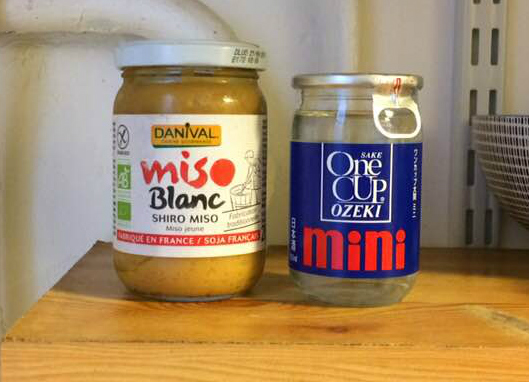
I adapted Andoh’s recipe somewhat, using a little less miso and a bit more sugar, but feel free to try her exact version too. For the saké, I found a small “one cup” size at my local Asian grocery store for 2 euros (see photo below). If you can’t get saké, you can substitute dry white wine.

For the crust, I used a ready-made vegan puff pastry, or flaky pastry. This is known as pâte feuilletée here in France, and it’s easy to find in an accidentally vegan version even at mainstream stores like Franprix (Herta brand) or else at organic shops. Just check the ingredients as there’s also a version made with butter. In North America, you can look for this one by Pepperidge Farm. Or, if you’re inclined, you can make your own. If puff pastry is impossible to find or too daunting to make, you can use regular pie crust dough (pâte brisée in France). It just won’t be quite as light or flaky.

Note that puff pastry is not the same thing as filo/phyllo dough. You could try that too if you’re experienced at using this kind of dough, but the results may not be quite the same as what you see here.

There are two ways to shape the turnovers: cutting the pastry dough into four triangles and folding the corners inward to form a sort of square parcel (as I have done here), or cutting the pastry into circles and folding them in half to make the traditional turnover shape. For this, you can trace circles onto the dough with an overturned bowl or use a pastry mold. With this approach, some scraps of dough will be left over, but you can press them together for enough dough to make one more turnover.

For greatest efficiency, I recommend preparing the miso sauce the day before. Then all you’ll have to do in the morning is chop up an apple, take the dough out of the fridge and put everything together.

Sweet lemony miso sauce

Makes about ¼ cup sauce

¼ cup shiro miso (white miso) paste
1 tablespoon saké or dry white wine
3 teaspoons granulated sugar, or more to taste
1 tablespoon water
1 teaspoon freshly grated lemon zest

miso sake

The miso and saké that I used. When buying the miso, check the ingredients to be sure it isn’t the kind with added bonito (fish) flakes. That wouldn’t be the nicest thing in a sweet pastry!

IMG_2727 x

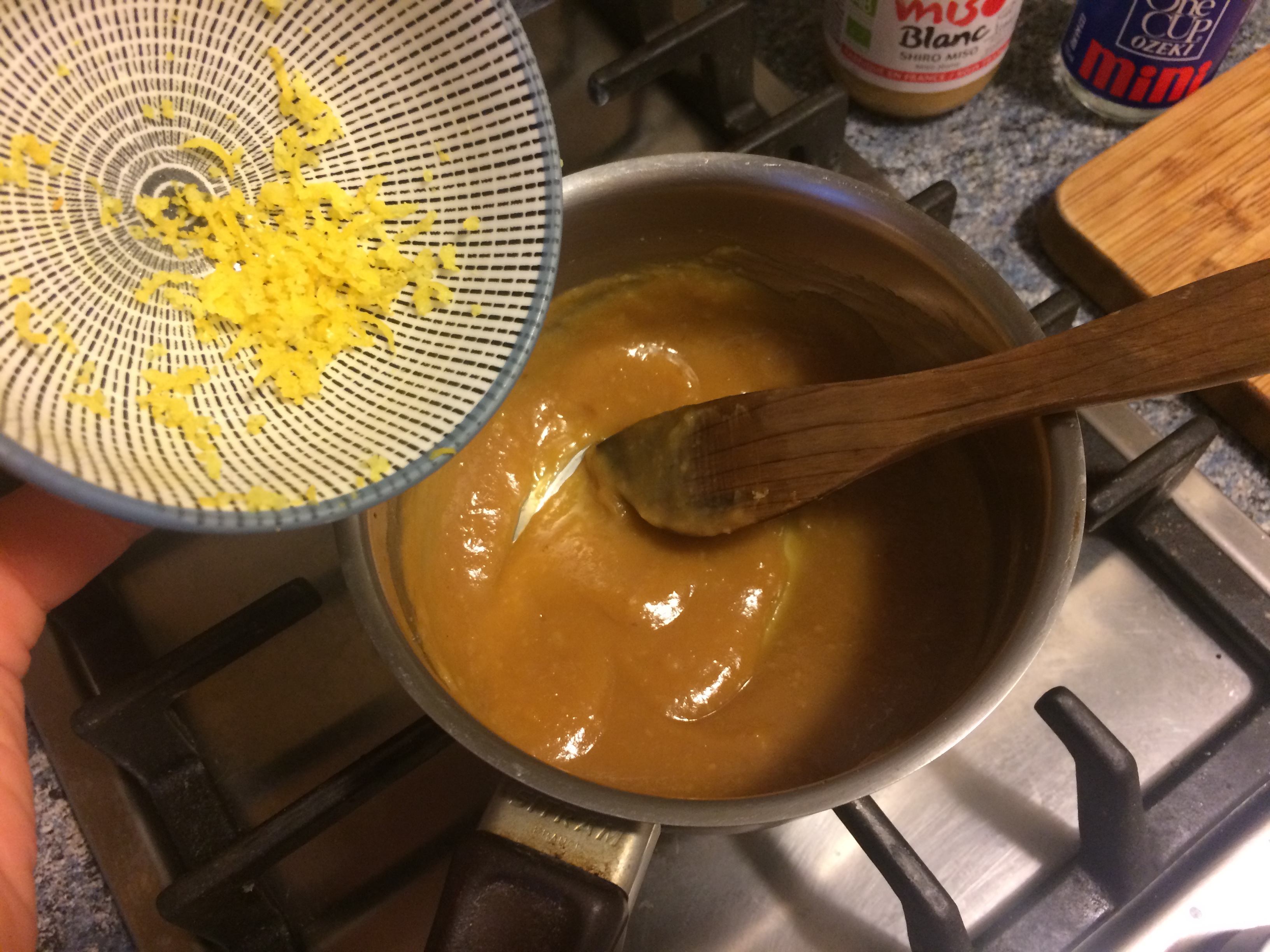
Combine the miso, saké and sugar in a small saucepan. Before placing over heat, stir the ingredients until thoroughly mixed. Incorporate the water and half of the lemon zest. Cook over low to medium heat for a few minutes, stirring constantly, until the mixture is glossy and you can see the bottom of the pan after scraping the spatula across it.

IMG_2729 x

Add the remaining lemon zest, stir to incorporate, and taste the mixture. Add more sugar if you like, but don’t worry too much about the saltiness because you’ll be using only a small amount of it, and when the flavors of the apple, lemon and pastry come together, everything gets balanced out. Also remember that you can always add more powdered sugar to the baked pastry at the end if need be.

If the sauce seems too thick, you can add another tiny bit of water. Ideally, you want it to have the consistency of ketchup.

Remove from heat and allow to cool. If not using right away in the turnovers, cover tightly and store in the refrigerator (will keep for 3-4 weeks).

Apple-miso turnovers

Makes 4 turnovers

1 puff pastry dough, 12 in. (32 cm) in diameter (purchased or homemade)
1 medium-sized tart apple (I used Granny Smith)
A few teaspoons all-purpose or whole-wheat flour
A few squeezes lemon juice
1 teaspoon granulated sugar
A few teaspoons powdered sugar (icing sugar)

Begin by preheating your oven to 350°F (180°C).

IMG_3342 xIMG_3344 x

Chop your apple into small cubes (cut into thin slices, then again crossways to dice).

IMG_3347 x

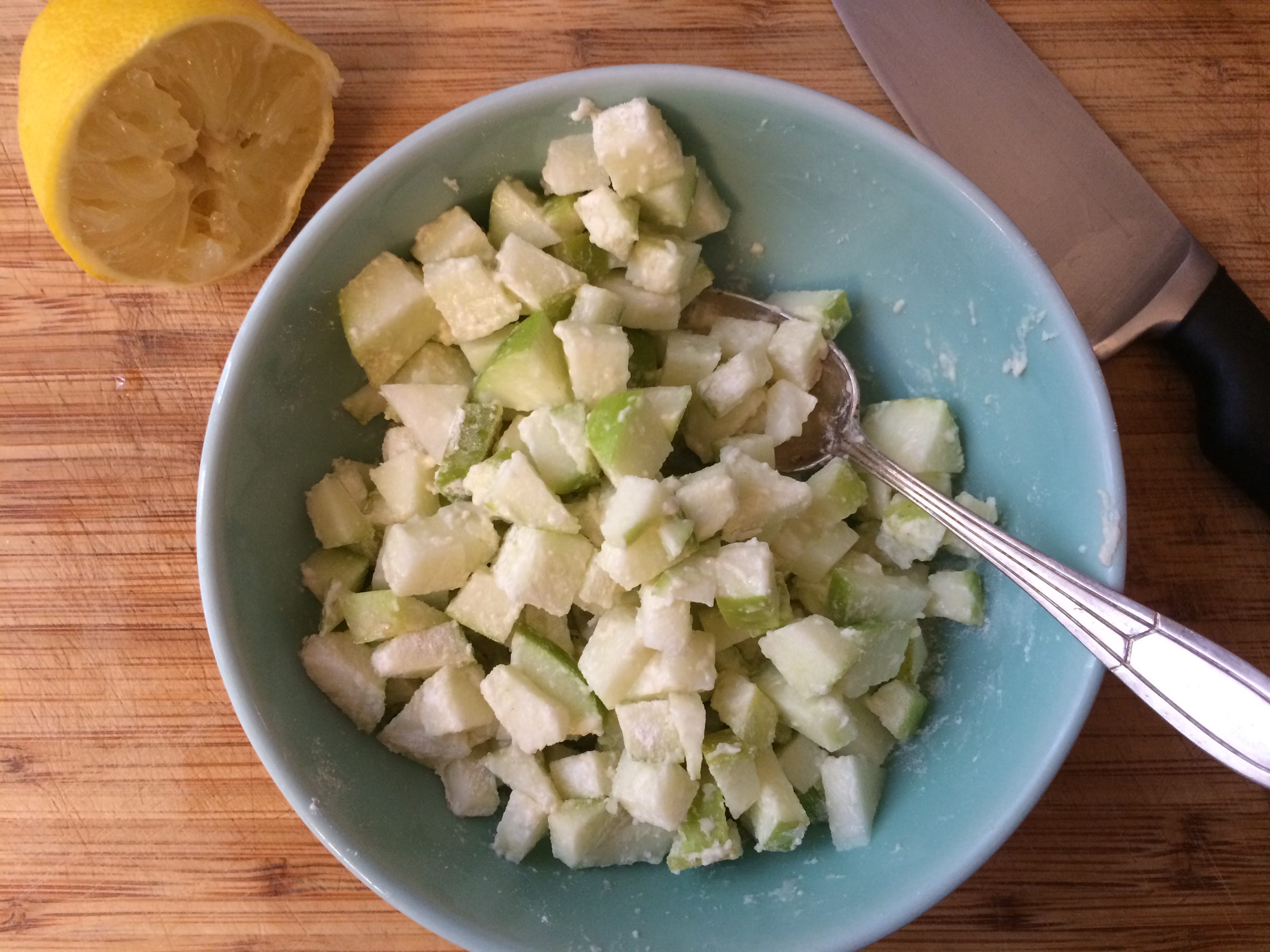
Transfer to a small bowl. Add a few teaspoons of flour and a teaspoon of granulated sugar to the mix until the apple is uniformly coated. The flour helps the apple stick together and become more of a substantial filling.

IMG_3348 x

Add a few squeezes of fresh lemon juice to the mixture (it adds tartness and keeps the apple from browning) and stir to combine.

IMG_3353 x.JPG

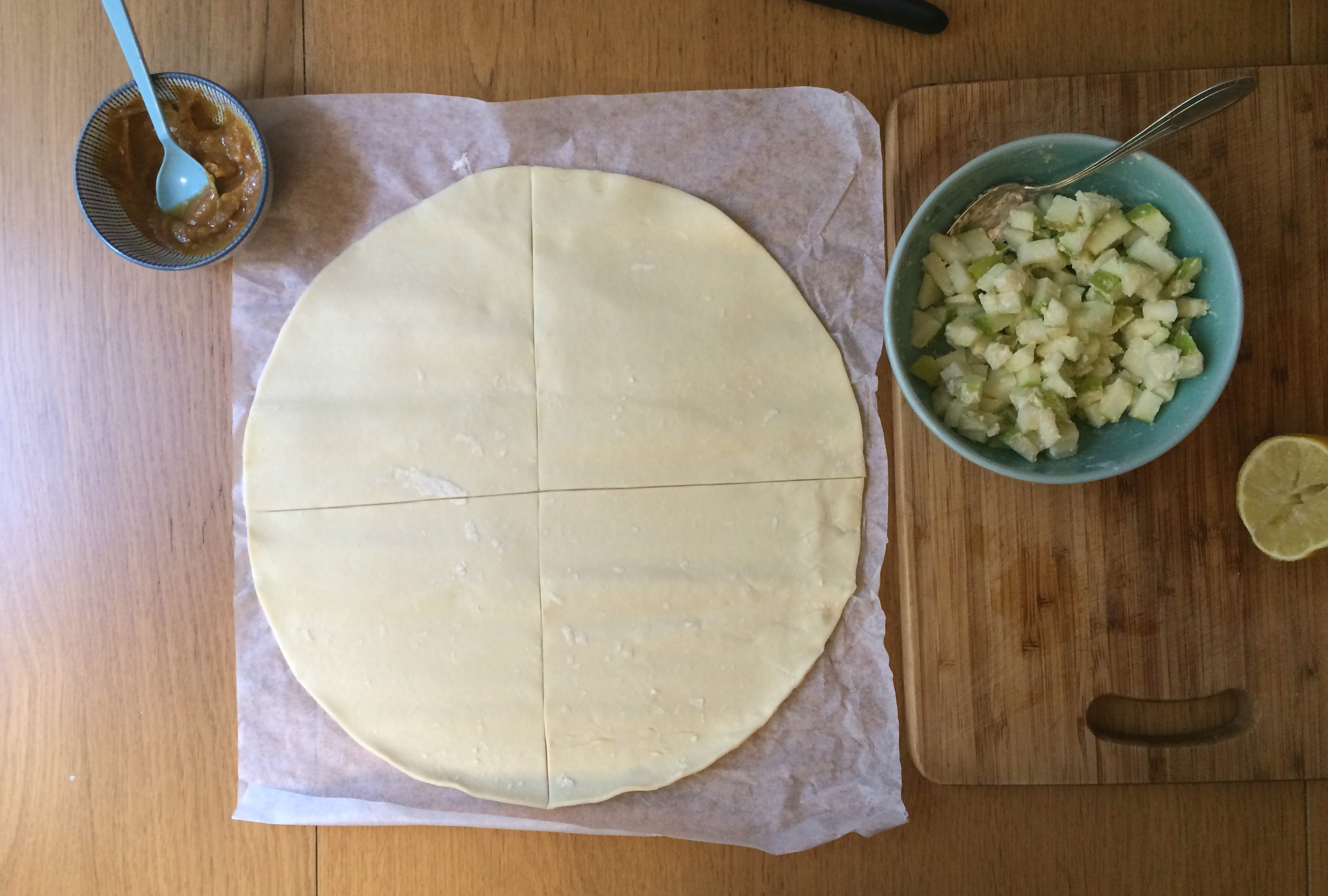
Cut your pastry into four equal parts by running a butter knife gently down and across it. Note: if you have made your own pastry, be sure to roll it out thin enough.

IMG_3354 xIMG_3355 x

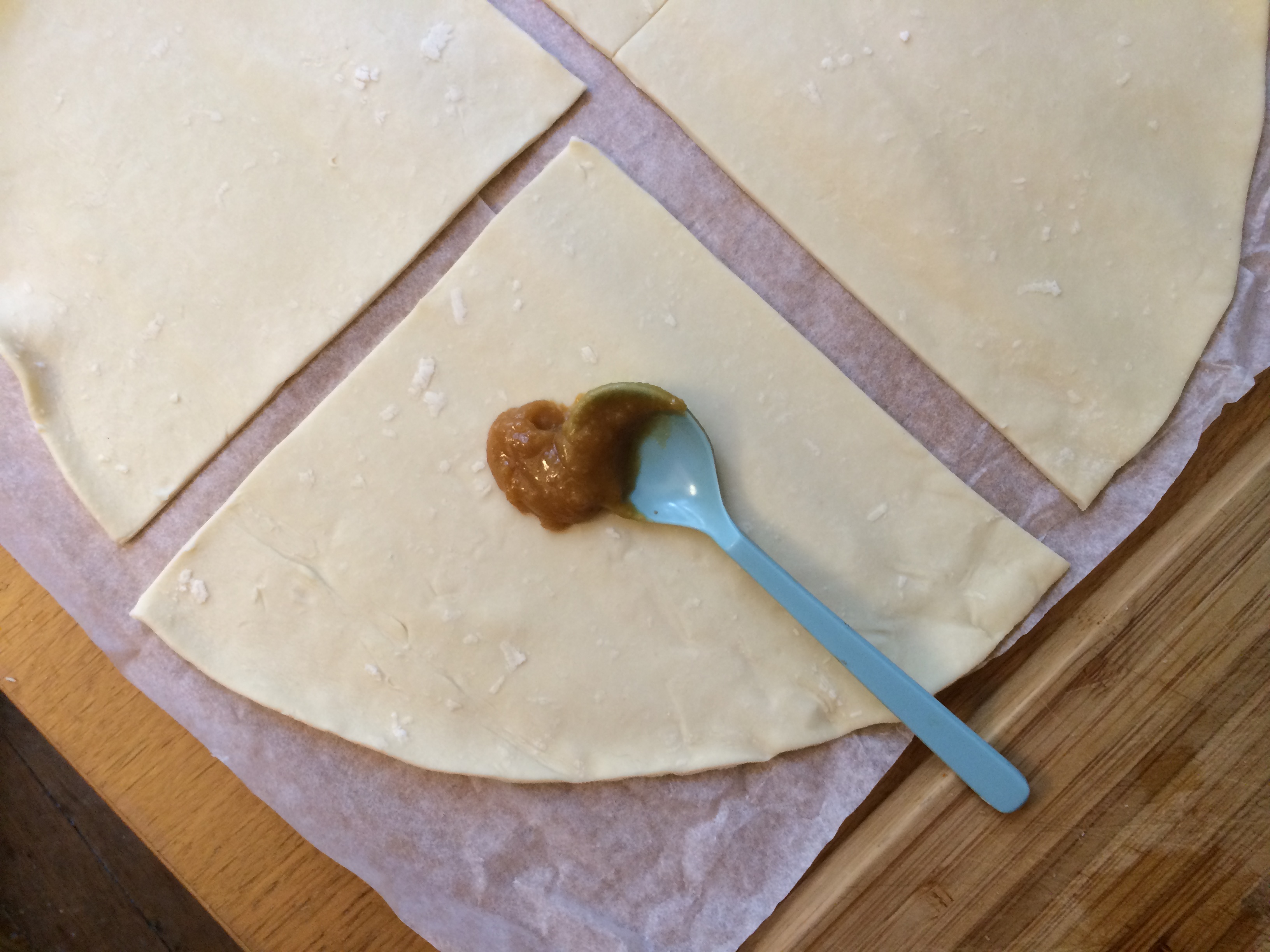
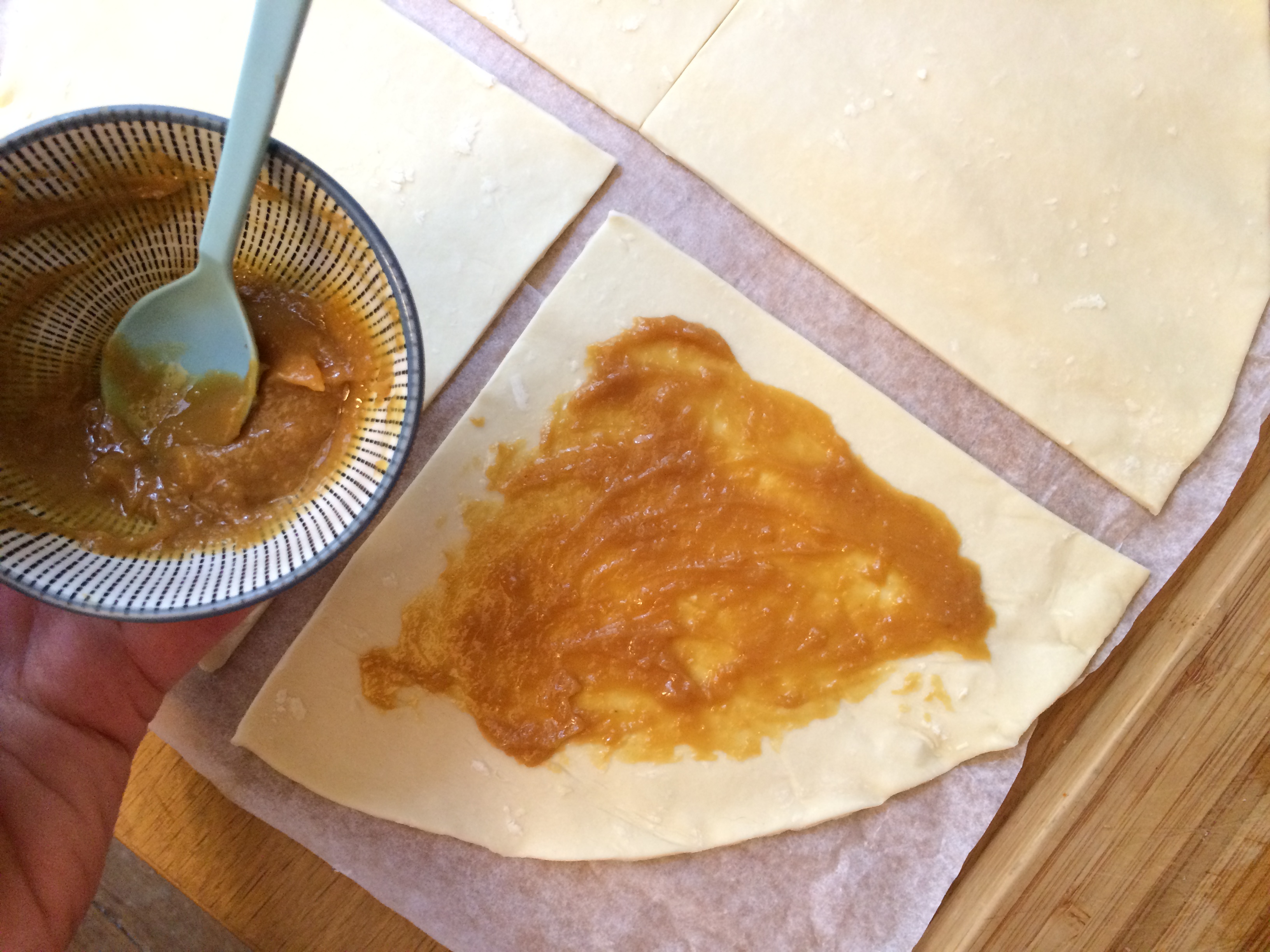
Spread a teaspoon or so of the sweet lemony sauce across each section of pastry. The amount you use will depend on how adventurous you feel or how much you like miso. You can also experiment by using more sauce in some of the turnovers and less (or none) in others, to compare. If you do this, try to mark them in some way so you remember which ones are which after they come out of the oven.

If any of the miso sauce remains, use it as a dip for whatever fruit you happen to have on hand.

IMG_3356 x

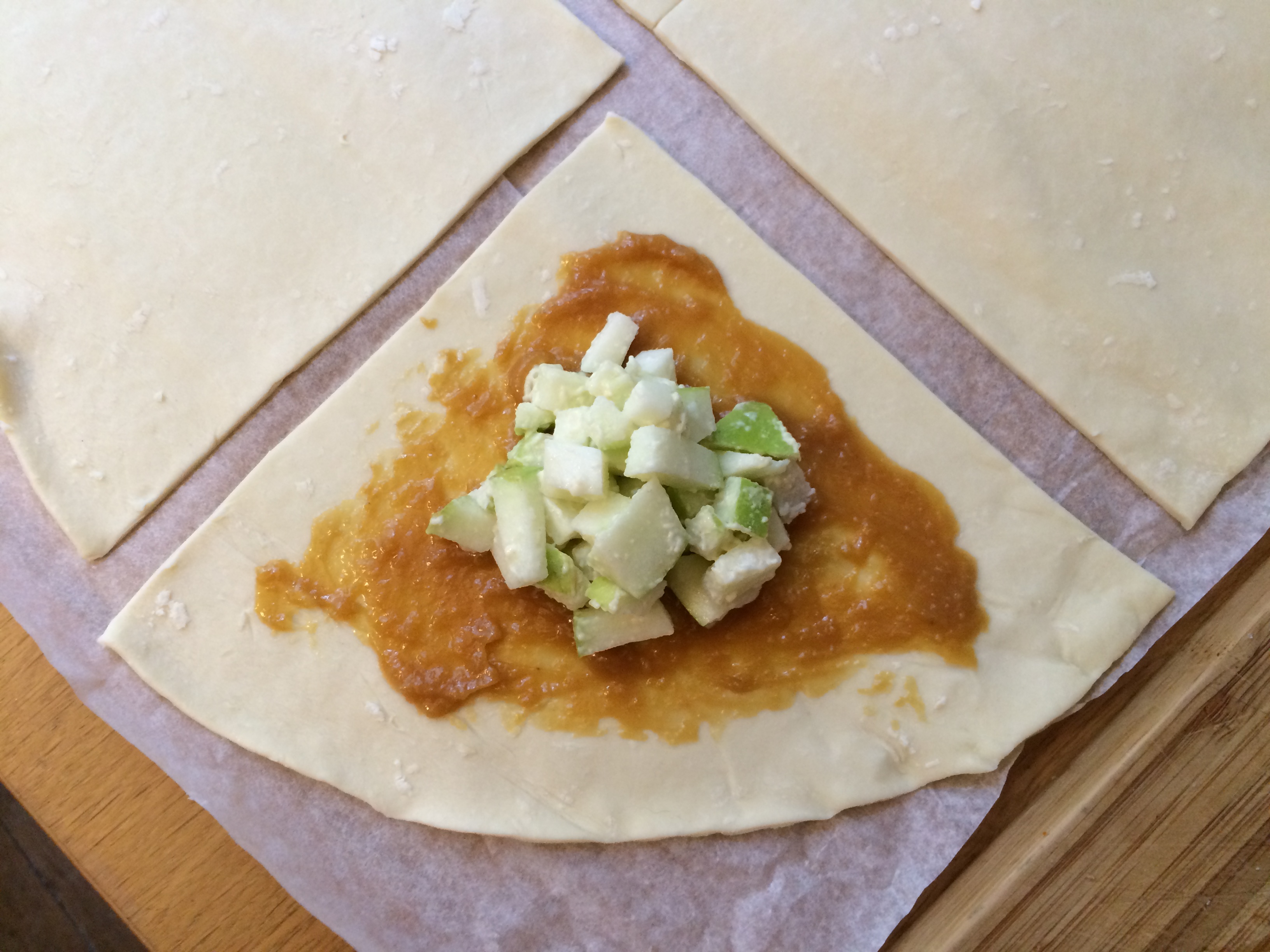
Now deposit a few spoonfuls of the diced apple on the center of the prepared pastry section. Be careful not to use too much apple, as you might have to stretch the dough to cover it and this could cause the pastry to break.

IMG_3357 x

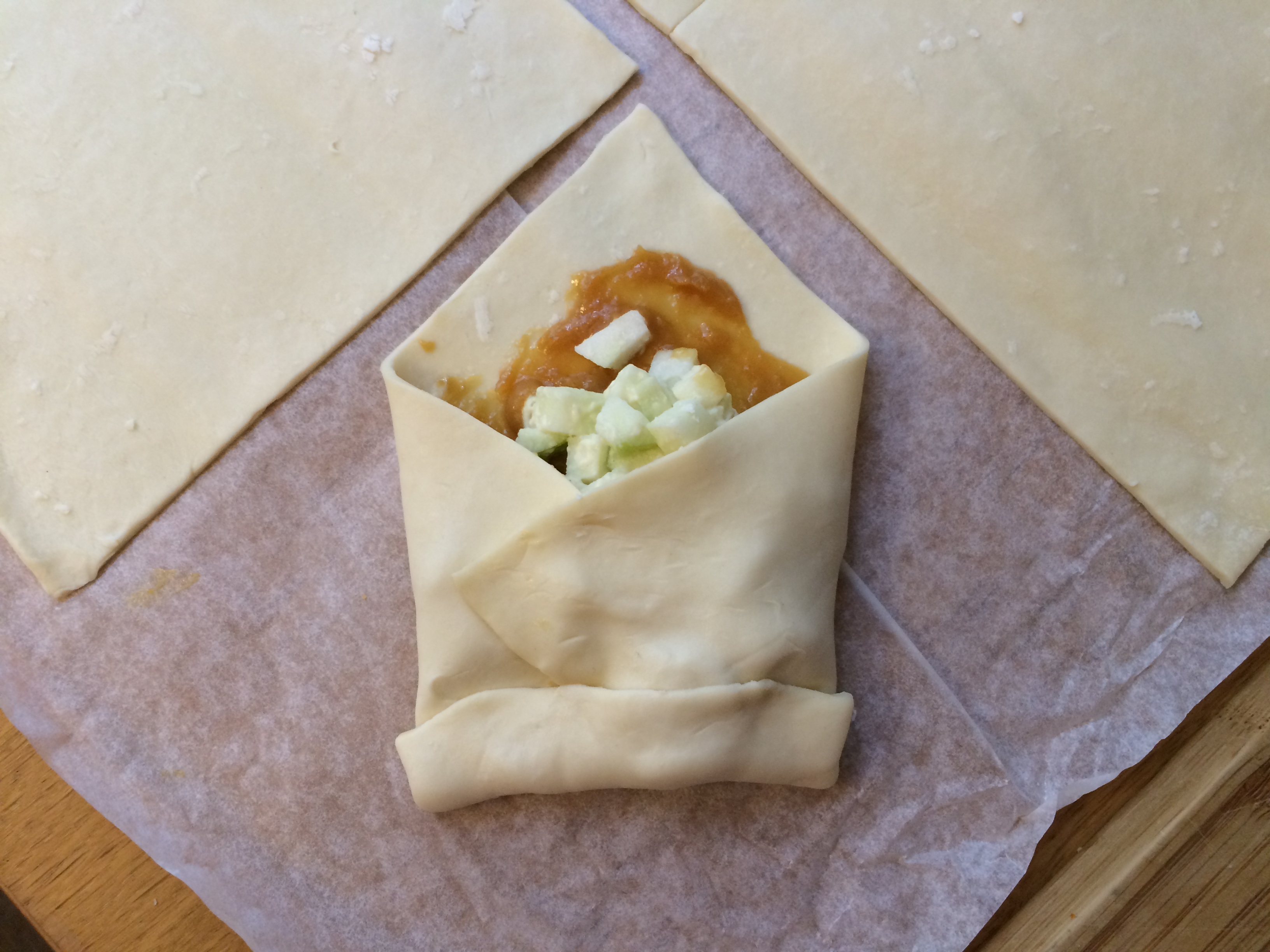
Fold the side points in toward the center.

IMG_3358 x

Fold the bottom edge upward.

IMG_3359 x

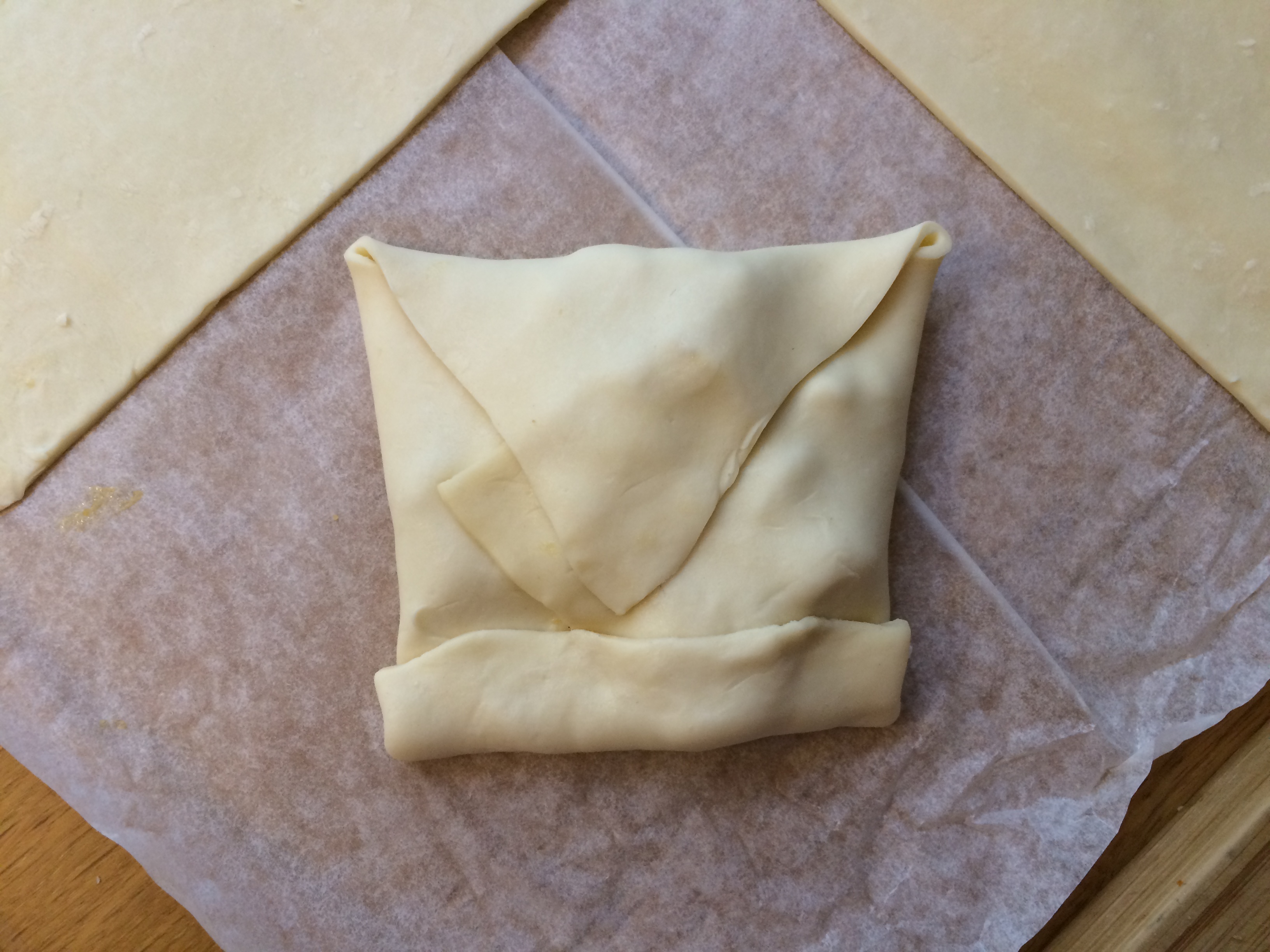
Fold the top point downward.

IMG_3360 x

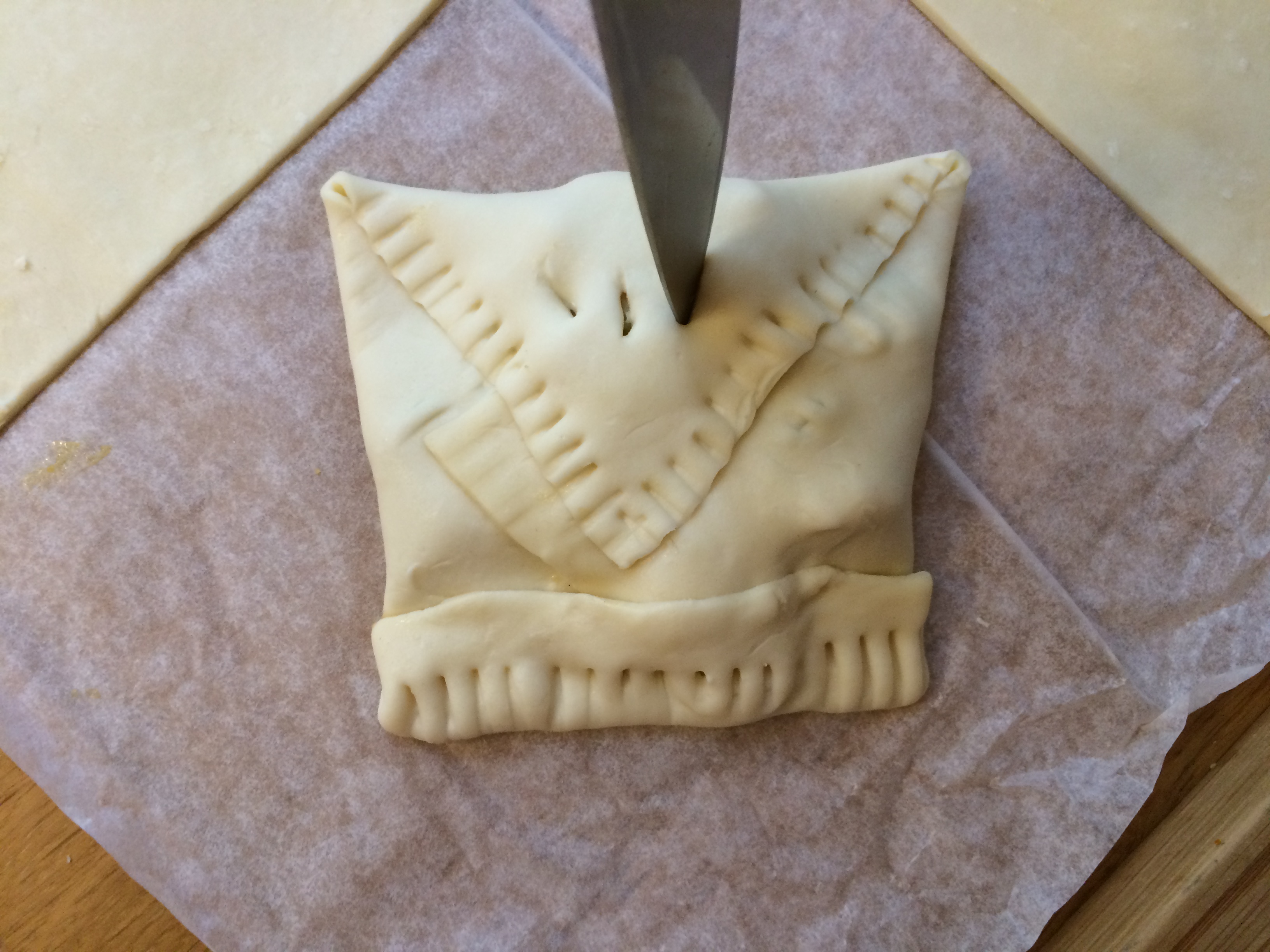
Press down on all the edges to seal so the filling doesn’t escape as the turnover bakes. I usually use the tines of a fork for this. It also results in a nice pattern, although with flaky crust the pattern doesn’t always remain after baking.

IMG_3361 xIMG_3362 x

Cut a few slits somewhere on the top of the turnover to allow hot air to escape during the baking.

IMG_3365 x

Your turnovers are ready to go in the oven! Bake at 350°F (180°C) for about 20 minutes, until the tops are golden brown.

IMG_3371 x

They’ll look kind of like this when they’re done.

IMG_3374 x

I like to decorate the tops with a bit of powdered sugar (icing sugar) sifted over the top (do this while the turnovers are still warm).

IMG_3383 x.JPG

Allow to cool a bit, but not too long—they’re yummiest when warm! The ones you save for later can be popped into the oven for a few minutes at the same temperature (350°F/180°C) to warm them up before serving.

IMG_3390 x

Brew yourself some coffee or tea and enjoy!

IMG_3393 x

Yum!

I hope you love these turnovers as much as I did. Let me know in the comments if you try them!

Variations: Use any other fruit that happens to be in season and seems likely to go well with the miso sauce (pear or persimmon in the winter, peach or nectarine in the summer). Experiment with the gingery red miso sauce too. Decorate the tops of the pastries with slivered almonds (brush a bit of apricot jam on top first, then apply the almond slivers, all before baking).

Chickpea of the sea salad

Chickpea of the what?

Allow me to explain. Those of you who live in the US will probably be familiar with the Chicken of the Sea tuna brand. I never knew why they called it that, but a quick visit to their site the other day revealed that fishermen of yesteryear used to refer to white albacore tuna this way because its light color and neutral flavor made them think of chicken.

Today, amid concerns about mercury levelsoverfishing and bycatch (the needless demise of non-targeted fish and other species such as dolphins and turtles), more and more people are reducing their fish consumption. Happily, for those who like the taste of certain seafood dishes, there are ways to reproduce the flavors.

This very easy chickpea salad has a mayonnaise-mustard-caper dressing that gives it a tangy flavor reminiscent of tuna fish salad (hence the name). It’s also filling and protein-rich and has a bit of crunch thanks to the celery and onion. Furthermore, it is a versatile and forgiving recipe—the quantities of the various ingredients don’t need to be exact, and if you add too much of one thing you can easily balance it out by adding more of another. Also, if you love onion, you can add more that the amount specified, or less (even none!) if you’re not so much of a fan. If you don’t happen to have celery on hand, you could add other crunchy things like radish, green apple or even walnuts. This is a recipe where you can let your imagination loose and experiment endlessly.

It can be served in the same ways as a tuna or chicken salad: on bread for an open-faced or traditional sandwich, atop a green salad, on endive leaves, in lettuce cups or even on halved canned peaches! (yes, I’ve tried this and as strange as it sounds, it’s good!).

Without further ado, let’s move on to the recipe!

Chickpea salad

Makes about 2 cups of chickpea salad

Ingredients

  • 14 ounces (400 g) cooked chickpeas
  • 1/4 cup (40 g) finely diced red onion
  • 1/2 cup (112 g) diced celery
  • 1 teaspoon whole capers, or more to taste
  • 3 tablespoons vegan mayonnaise
  • 2 tablespoons Dijon mustard
  • 1 teaspoon lemon juice
  • 1 teaspoon brine from the caper jar
  • 2 teaspoons dried seaweed flakes or shredded nori sheet
  • 1/4 cup (5 g) chopped fresh parsley, plus extra for garnish


IMG_9846b

IMG_9848 (1).jpg

Begin by dicing the onion and slicing the celery. If your celery branches are very wide, cut them in half lengthwise so the pieces are more bite-sized.

IMG_9855 (1)

Drain the chickpeas, saving the water from the can if you want to make something with aquafaba later.

IMG_9862 (1)

Transfer the chickpeas to a bowl and mash them with a potato masher or fork. They should be broken but not pulverized to the point that they become hummus (for this reason, it’s best not to use a food processor). There should still be visible chunks of chickpea in the mixture.

IMG_9876 (1)

Now, in a small bowl, combine the mayonnaise, mustard, lemon juice, caper brine and seaweed flakes or finely shredded nori sheet.

IMG_9879 (1)

The mayonnaise mixture will look like this when ready. Taste it and adjust to your liking. You may find you would like it to be a little more spicy (add more mustard) or less so (add more mayonnaise), or more “tuna-y” (add more caper brine and/or seaweed).

IMG_9882 (1)

IMG_9884

Add the onion, celery and capers to the mashed chickpeas and stir to combine.

IMG_9890 (1)

Finally, fold the mayonnaise mixture into the chickpeas and stir until thoroughly integrated. Add the shredded parsley and stir a few more times to combine. Your chickpea of the sea salad is now ready!

IMG_9924

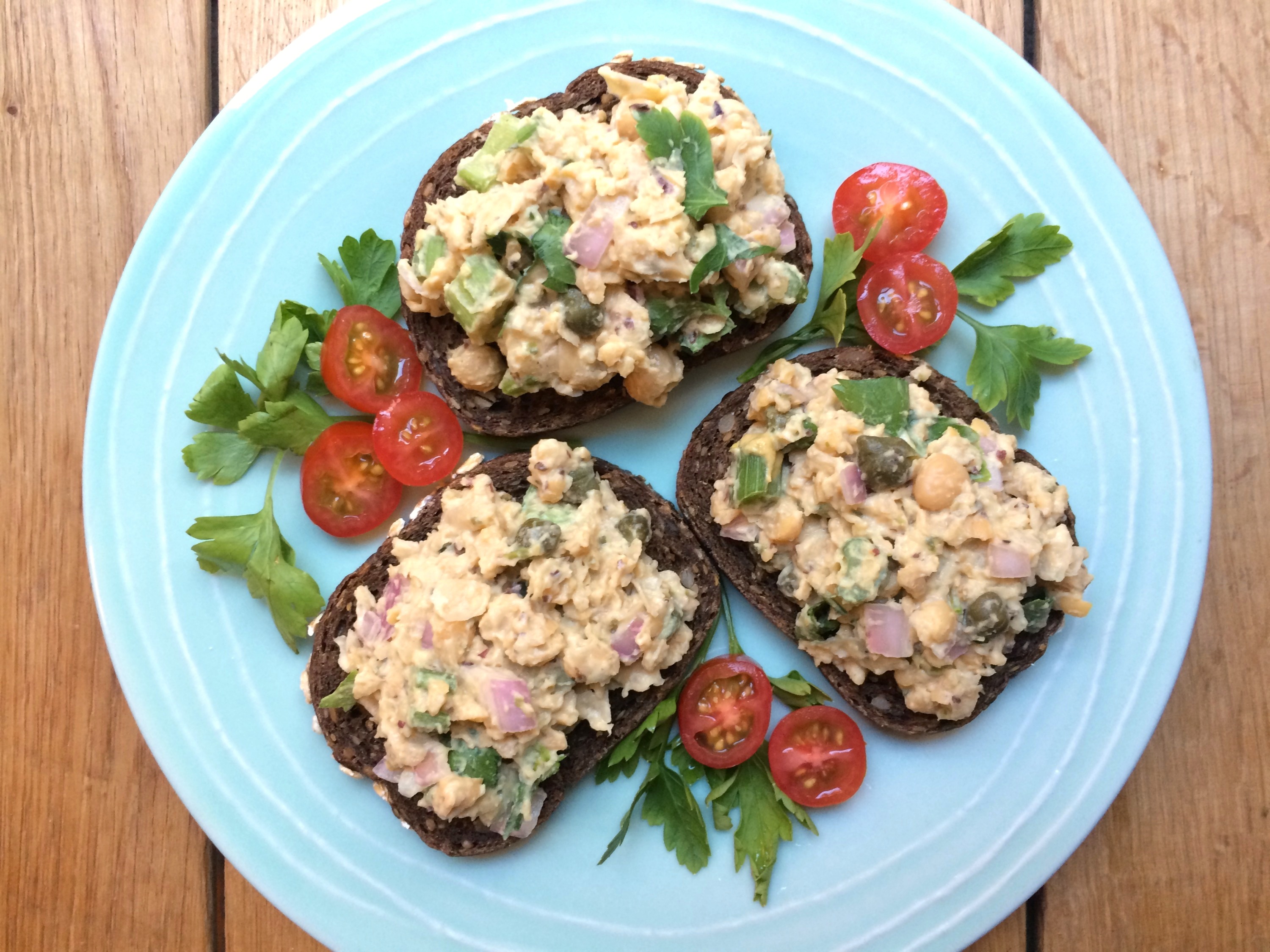
The chickpea salad can be served in many ways. Here, I have prepared some mini open-faced sandwiches on a type of rye bread often found with the name Baltik or Artik in bakeries in France.

IMG_9943 (1)

chickpeas peaches.jpg

Enjoy!

Variations: Make a curry version of this chickpea salad by adding curry powder and omitting the capers and caper brine. Add any of your favorite nuts and seeds (pine nuts are quite good in this). Serve in endive leaves, lettuce cups or on halved canned peaches as shown above.

Chocolate cake with azuki filling

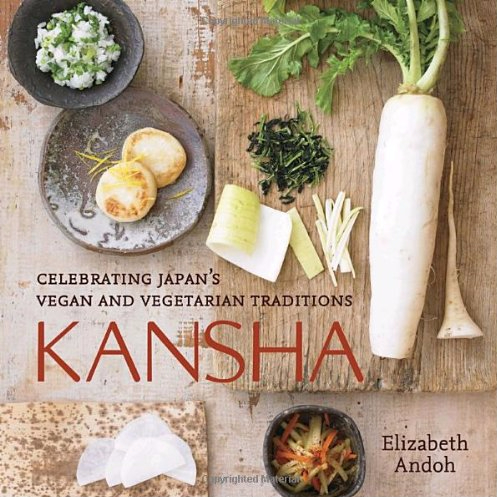
In recent weeks, I’ve been experimenting with more and more Asian-inspired flavors and ingredients. It all began when my friend Yukiko introduced me to a Japanese dish that has become one of my top favorite recipes of all time. My discovery then furthered when I got my hands on Elizabeth Andoh’s outstanding recipe book Kansha. In it, she focuses on shojin ryori, or “temple cooking”, which in line with the Buddhist principle of non-harm is plant-based. I now realize how much more there is to Japanese cuisine than the usual sushi, maki rolls and mochi that we’re all familiar with. I’ve tried about seven or eight recipes from this book so far, including cold buckwheat noodles with a tangy umeboshi sauce and herbaceous shiso, creamy/crispy kabocha squash croquettes, candied sweet potatoes and pancakes filled with red-bean jam (check my Instagram from a few weeks ago for photos of all these).
61j58mxqSzL

In Japanese cuisine, an effort is made to combine a range of colors, textures and flavors in each dish. Pasta with a creamy sauce is paired with a crunchy, tangy salad made of colorful carrot, cucumber or red pepper. White rice is cooked together with a few spoonfuls of black rice to become lavender, and is then studded with bright green edamame beans. Sweet preparations may include a few drops of soy sauce or a touch of miso to temper the sugary taste. Such combinations result in works of art that are pleasing to both the palate and the eyes.

It was in this context, then, that I began imagining ways of integrating these principles and ingredients into familiar Western dishes. After my discovery of red-bean (azuki) jam, I wondered how it would taste paired with chocolate. This fusion recipe is the result: a traditional chocolate layer cake with a sweet azuki filling, topped with a sprinkling of powdered sugar and kinako (toasted soybean flour).

I’m quite pleased with the way this experiment turned out. The dark, rich chocolate goes very well with the sweet paste, which gains a caramel-like dimension from the soy sauce. The kinako adds an interesting color contrast as well as a nutty, toasted flavor. And with the traditional layer cake form, it would be the perfect birthday cake for anyone who (like me!) enjoys Asian cuisines and is not a huge fan of cakes slathered in frosting. 😉

This recipe is also a good example of mindful, contemplative shojin cooking (“slow food” in contrast with today’s trends), since the azuki paste takes time and watchfulness to make. I recommend making it the day before the actual cake.

So, what exactly are azuki beans? They’re smallish red legumes with a white stripe and must not be confused with kidney beans (see below). I get mine from my local organic shop, but they should also be available online.

kidney vs. azuki

You may already have heard of azuki (sometimes spelled adzuki) beans, or red beans, being used in Asian desserts. When I lived in San Francisco, I would sometimes buy something called a mooncake, which has a red-bean filling, when I passed through Chinatown. If you live near an Asian supermarket, you may be able to get pre-made red-bean paste there. But if you’re a do-it-yourself type, like I am, or want your filling to be free from preservatives and coloring agents, or just less sweet than the ones found at stores, you can make your own with the recipe below. In making this jam, I drew inspiration from two recipes: Andoh’s and this one from the blog Just Hungry (but any errors in the following are purely my own fault).

This azuki preparation (tsubu-an in Japanese) can also be spread on toast or pancakes like jam, used as a topping for oatmeal or rice pudding, or even served with cheese in lieu of a fruit chutney. The blogger behind Just Hungry recommends enjoying it with ice cream and strawberries, which does sound pretty good.

Azuki filling

Makes about 2¼ cups of filling. Can be made a day or two before the cake.

Ingredients

  • 1 cup (200 g) dry azuki beans
  • ¾ cup to 1 cup (150 to 200 g) granulated sugar
  • 1 teaspoon (5 ml) soy sauce, or more to taste

Equipment needed: food processor or high-power blender (alternatively, a potato masher  or fork and some patience).

soak.jpg

Place the dry beans in a bowl and add enough water to cover them. Allow to soak for 24 hours (keep in the fridge for best results). The beans will lose their red color as they soak. If you don’t have time for this soaking step, you can skip it, but the cooking process will take longer.

01

At the end of the soaking stage, rinse the beans and transfer them to a large stock pot. Fill  it with enough water to cover the beans (never add salt when cooking legumes, except at the very end) and bring to a boil. Allow to boil for one minute, then drain and rinse the beans with cold water.

Return the beans to the pot, refill with fresh water and bring to a boil a second time. Allow to boil for one minute as before, then drain and rinse the beans again. Rinse and wipe the inside of the pot with a sponge to remove all residue. Although lengthy, this process ensures that all impurities are removed. If you have plants, you can save the cooking water to water them with once it’s cool.

Now you’re ready to cook the beans for real! Return them to the pot and refill with fresh water to about 1 inch (2 cm) above the beans.

02

Bring to a boil, then reduce the heat to low and simmer, covered, until the beans are soft enough to crush between your thumb and pinky finger (45-60 minutes). If you did not soak the beans before cooking, this step may take longer. Check them every once in a while during this time, adding more water if the level goes down too low and they aren’t done yet. If you have a table in your kitchen, this is a good time to take a seat and delve into a good book.

When the beans pass the thumb-and-pinky test, drain them but reserve about a cup of the cooking water.

03

Return the beans to the pan and add about ½ cup of the reserved cooking water back in, or more as needed—the idea is to have just enough to keep the beans from getting too dry and sticking.

Add the sugar and continue to simmer, stirring occasionally with a wooden spoon, until you have a thick syrupy sauce (about 15 minutes). The beans will darken in color once the sugar is added. If at any point they become too dry, add more of the reserved cooking water in small amounts (¼ cup at a time).

04

Now add the soy sauce, stir to incorporate, and taste. If it seems too salty to you, add a bit more sugar. If it seems too sweet, add a bit more soy sauce, or ¼ teaspoon salt if you need more saltiness but want to limit the soy sauce flavor. Simmer for a minute or two more, then remove from heat and allow to cool.

05

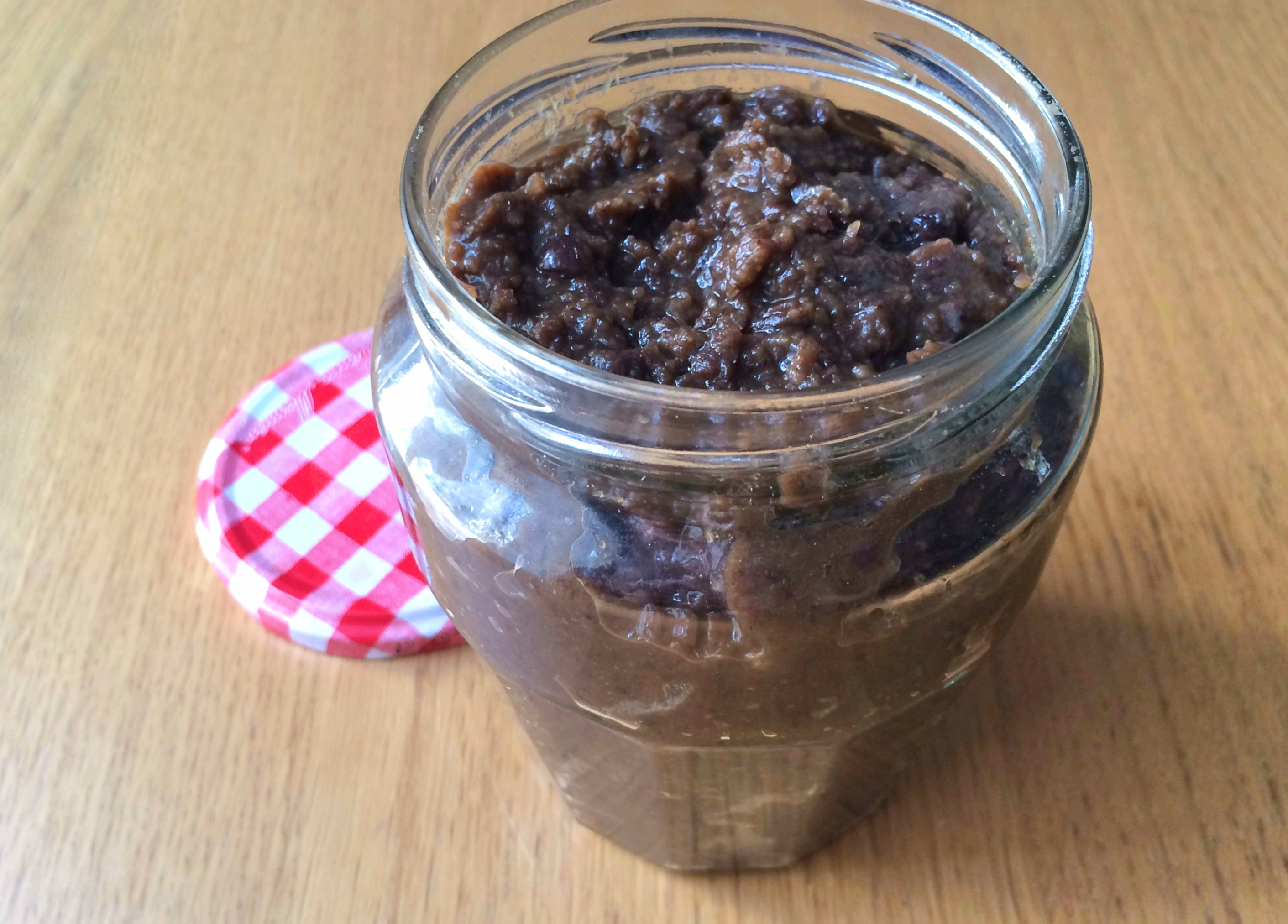
Transfer the beans to a food processor or high-power blender and pulse or purée until you have a smooth, paste-like consistency.
06

Mine ended up looking like this because the little food processor I use is not super powerful. You could also opt to mash it with a potato masher or similar. It’s fine if a few chunky bits remain.

Store the azuki filling in the refrigerator and use within 5 to 7 days.

Chocolate cake

Makes two cake layers.

Ingredients

  • 3 cups (375 g) all-purpose flour
  • 1¼ cup (250 g) white or raw cane granulated sugar
  • 1 teaspoon (7 g) salt
  • 2 teaspoons (9 g) baking soda
  • ½ cup (40 g) unsweetened cocoa powder, sifted
  • 3 teaspoons (15 ml) vanilla extract
  • ¾ cup (177 ml) neutral-flavored oil, like sunflower or canola
  • 2 tablespoons (30 ml) white vinegar
  • 2 cups (500 ml) cold water

Decoration

  • a few tablespoons powdered sugar
  • a few tablespoons kinako (roasted soy flour), optional

Equipment needed: two 8-inch (20-cm) round cake pans (or bake them in two stages using one pan—be careful to divide the batter evenly). You can use pans with a larger diameter if you like, but the layers will be lower and the cake shorter than what you see in these photos.
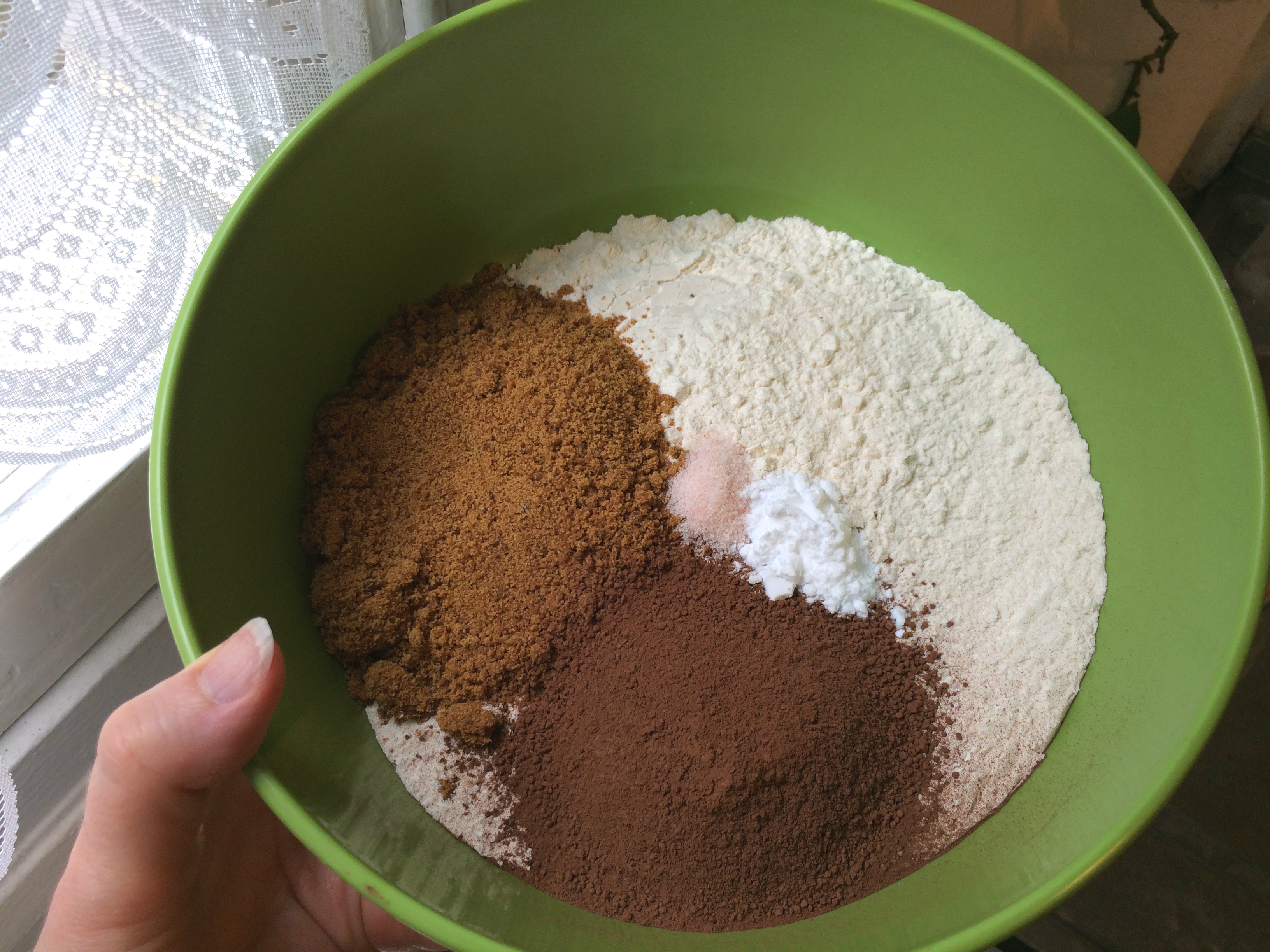
01

First, preheat your oven to 350°F (180°C). Combine all the dry ingredients in a large mixing bowl. I used a raw cane sugar in this case, but regular white granulated sugar is fine.

02

Combine the liquid ingredients in a smaller bowl and whisk to combine.

03

Prepare your cake pans by lining them with some baking paper. Apply a bit of oil to the pan first to make the paper stick. I like to leave little “handles” like these on the sides to be able to dislodge the baked cakes more easily.
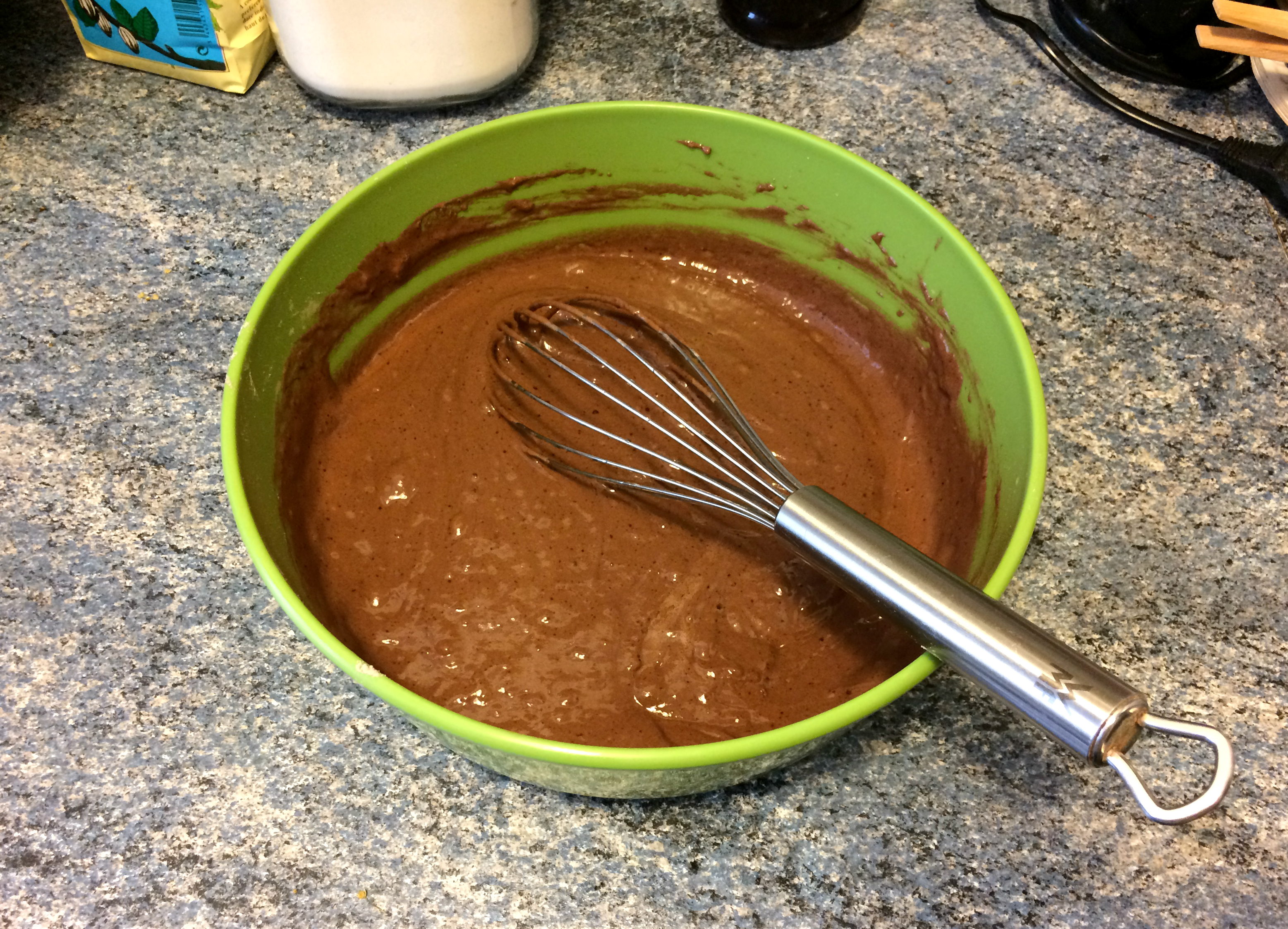
04

Whisk the dry ingredients together and then add the liquid ingredients to the bowl with the dry mixture. Whisk everything together just until combined, being careful not to over mix as this would make the cake stiff.
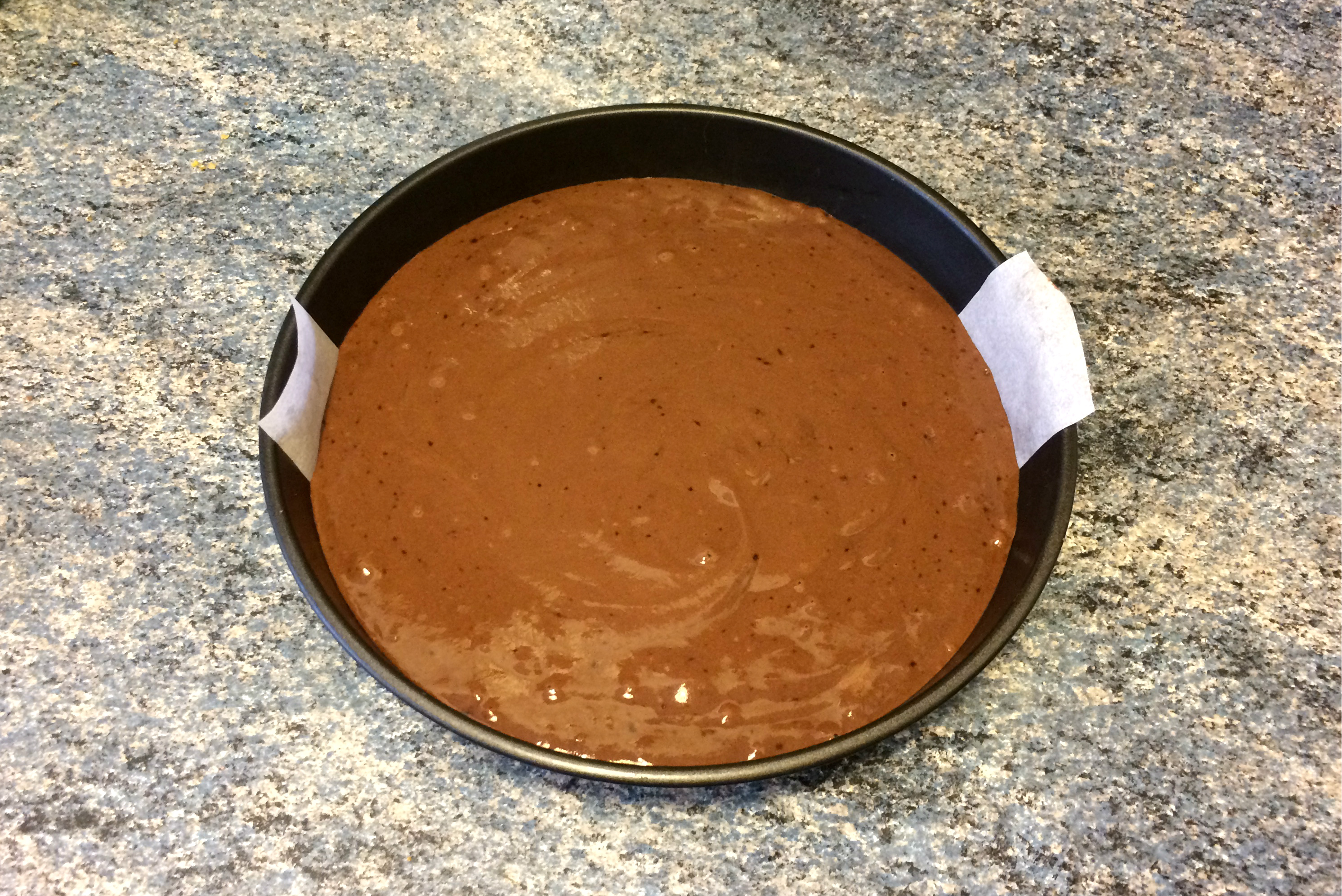
05

Transfer the batter to your prepared baking pans, diving it evenly between the two, and place in the oven. Bake at 350°F (180°C) for about 20 minutes.

06

Check for doneness at this point by inserting a toothpick or fork into the center of the cakes. If it comes out clean, the cakes are done. If not, put them back in the oven for another five minutes and check again. When fully baked, place them on a baking rack or stovetop to cool. Allow the cakes to cool completely before attempting to remove them from the pans.

07

You will notice that each cake layer has a domed shape. The tops will need to be leveled before you can assemble the two layers.
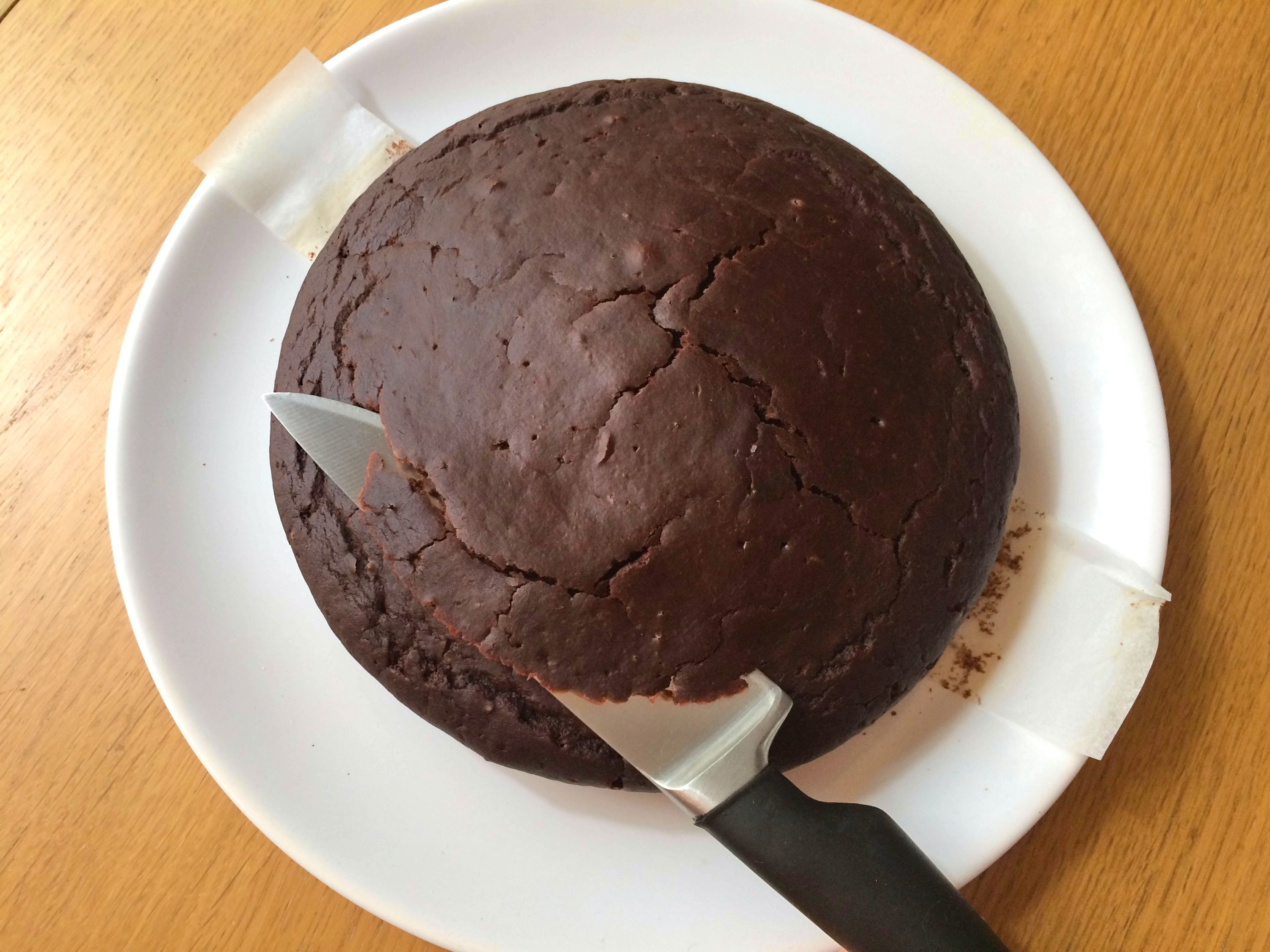
08

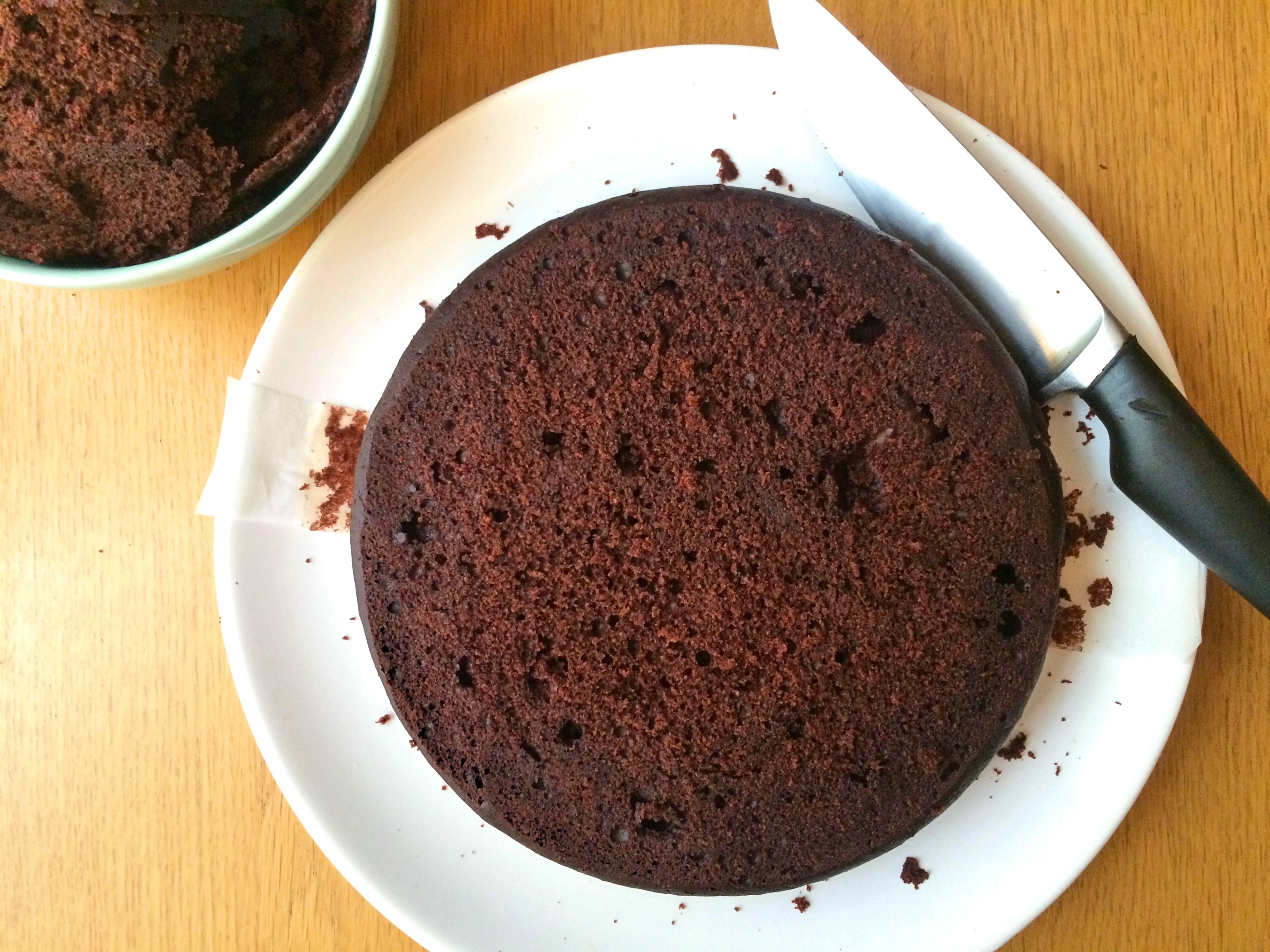
Using a large knife, carefully slice off the top of each cake, depositing the pieces you cut off into a bowl. Crouch down to look at the cake from the side, at tabletop height, to check whether it’s even enough.
09

It will look something like this. Remove the baking paper from underneath it and transfer it, cut side facing up, to a clean plate.
10

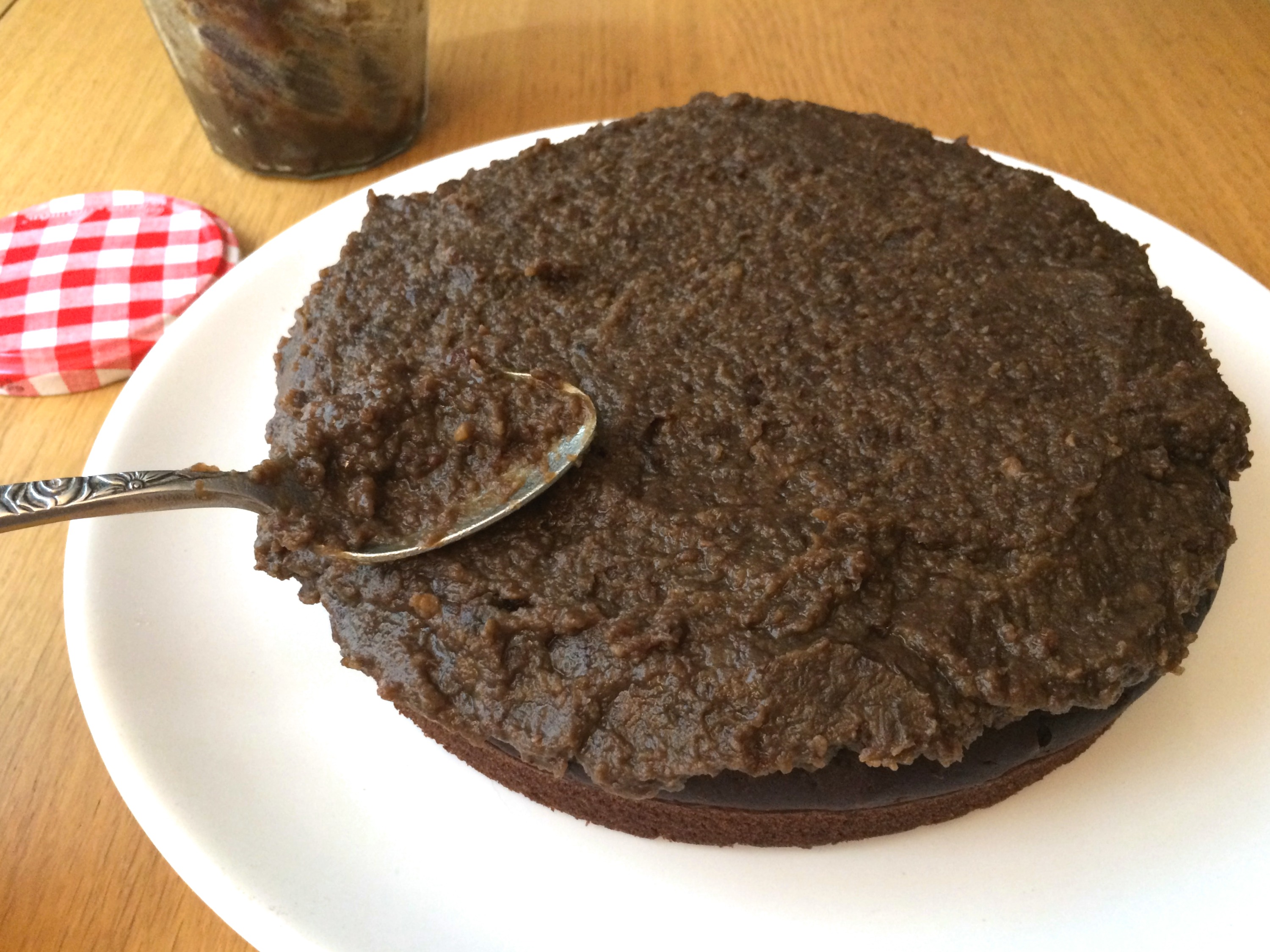
Apply the azuki filling thickly, spreading it with a spoon or large knife to ensure that it covers the surface evenly. Reserve a small amount to fill in any gaps that remain in the sides once you’ve placed the other cake layer on top.
11

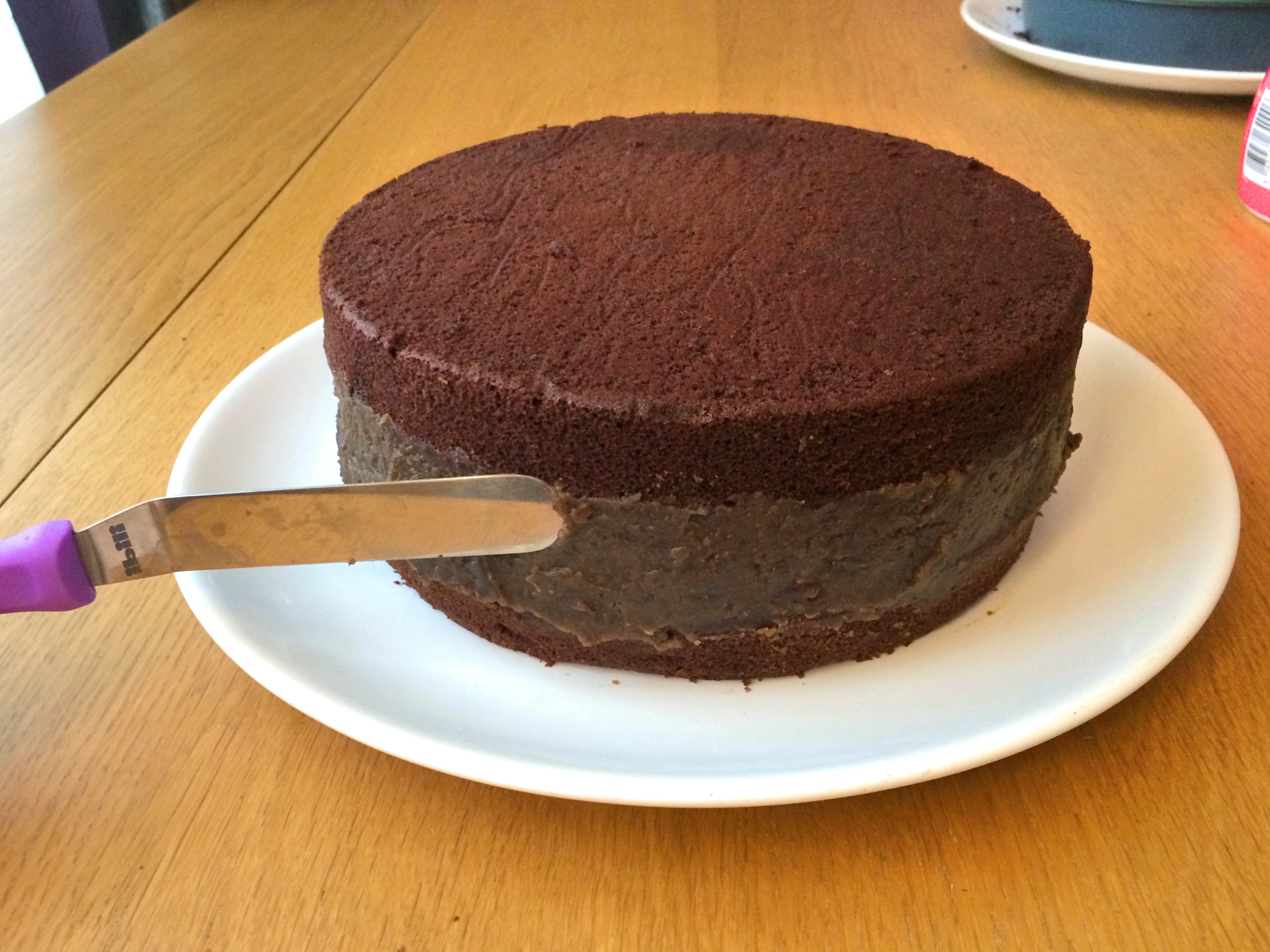
Now carefully place the other cake layer, cut side facing down, on top of the filling. The cake will have a nicely defined edge along the top. With a frosting knife or flat spatula, fill in any gaps between the two layers with more azuki filling and smooth out the sides. Cover the cake with a cover or an upside-down salad bowl until just before serving. Powdered sugar tents to “melt” into the surface of a cake, so if you apply it ahead of time you will most likely have to do it again and the results will not be as nice. If you will be serving the cake the next day, keep it in the refrigerator until about an hour beforehand.

12

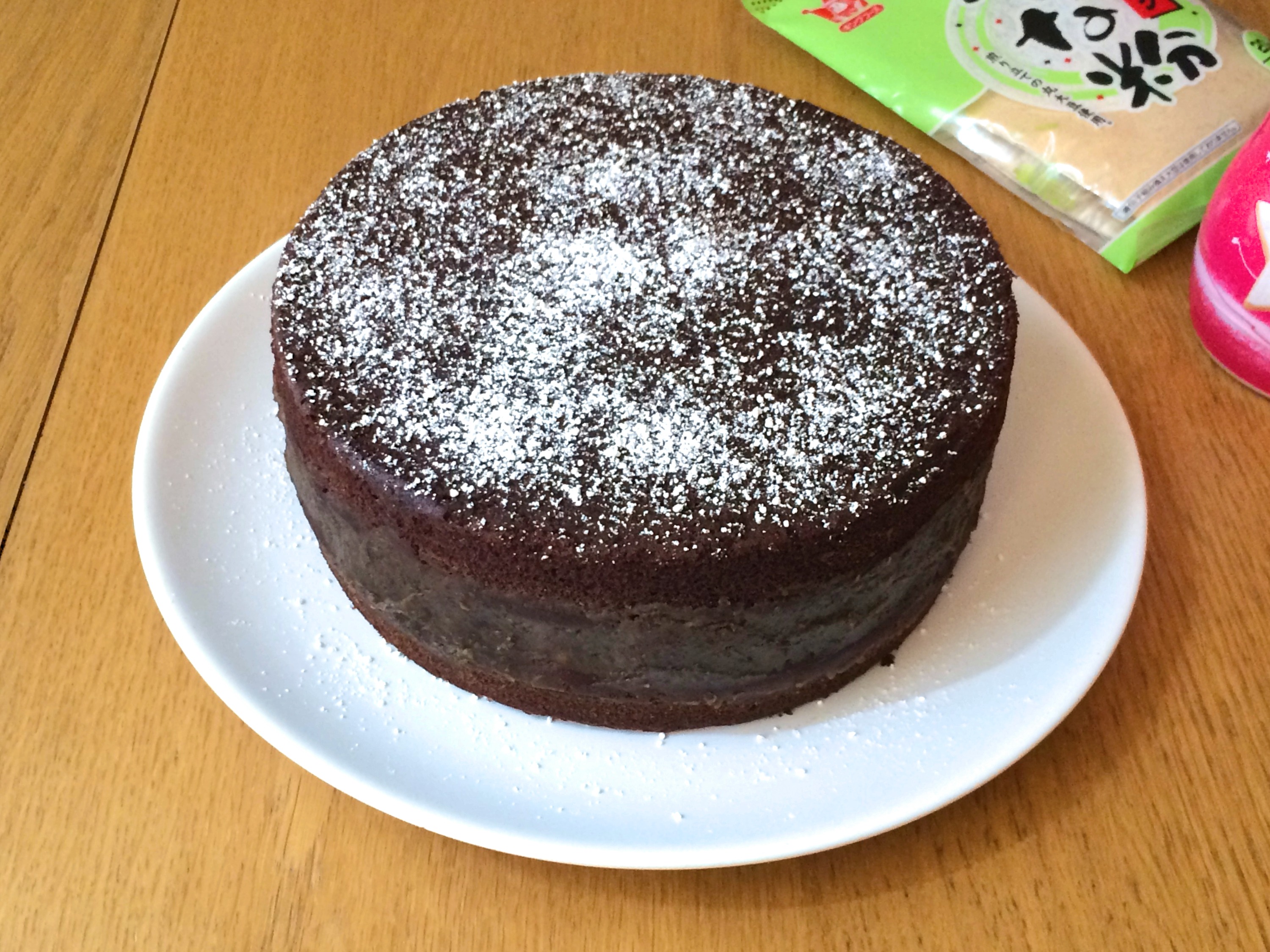
A few minutes before serving the cake, apply the powdered sugar. I recommend using a sieve such as this one, or a sifter of some kind, to prevent any large clumps of sugar from falling on the surface and ruining the powdered effect.
13

You can use more sugar than this if you like. It depends how opaque you want the surface to be.
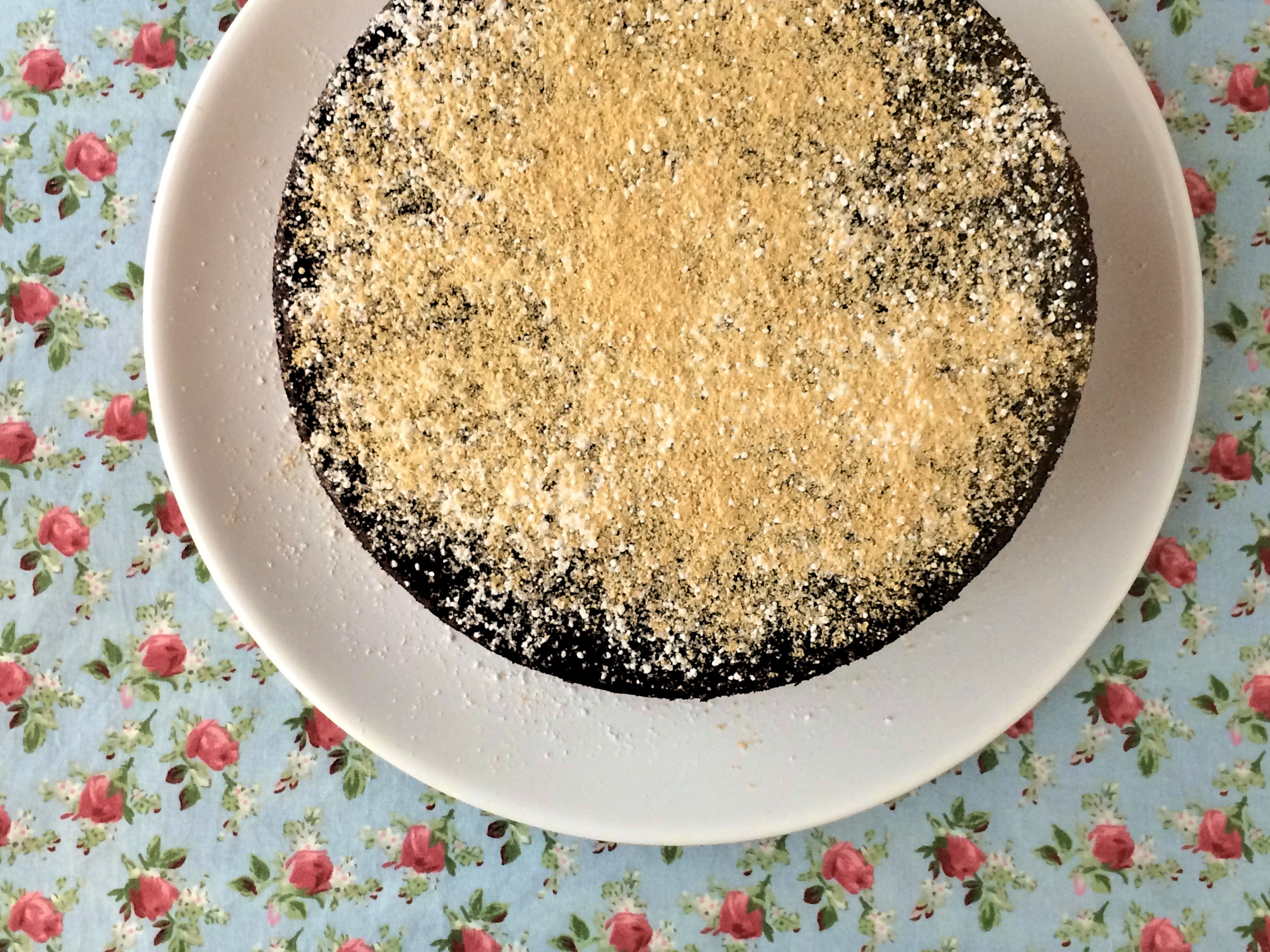
01

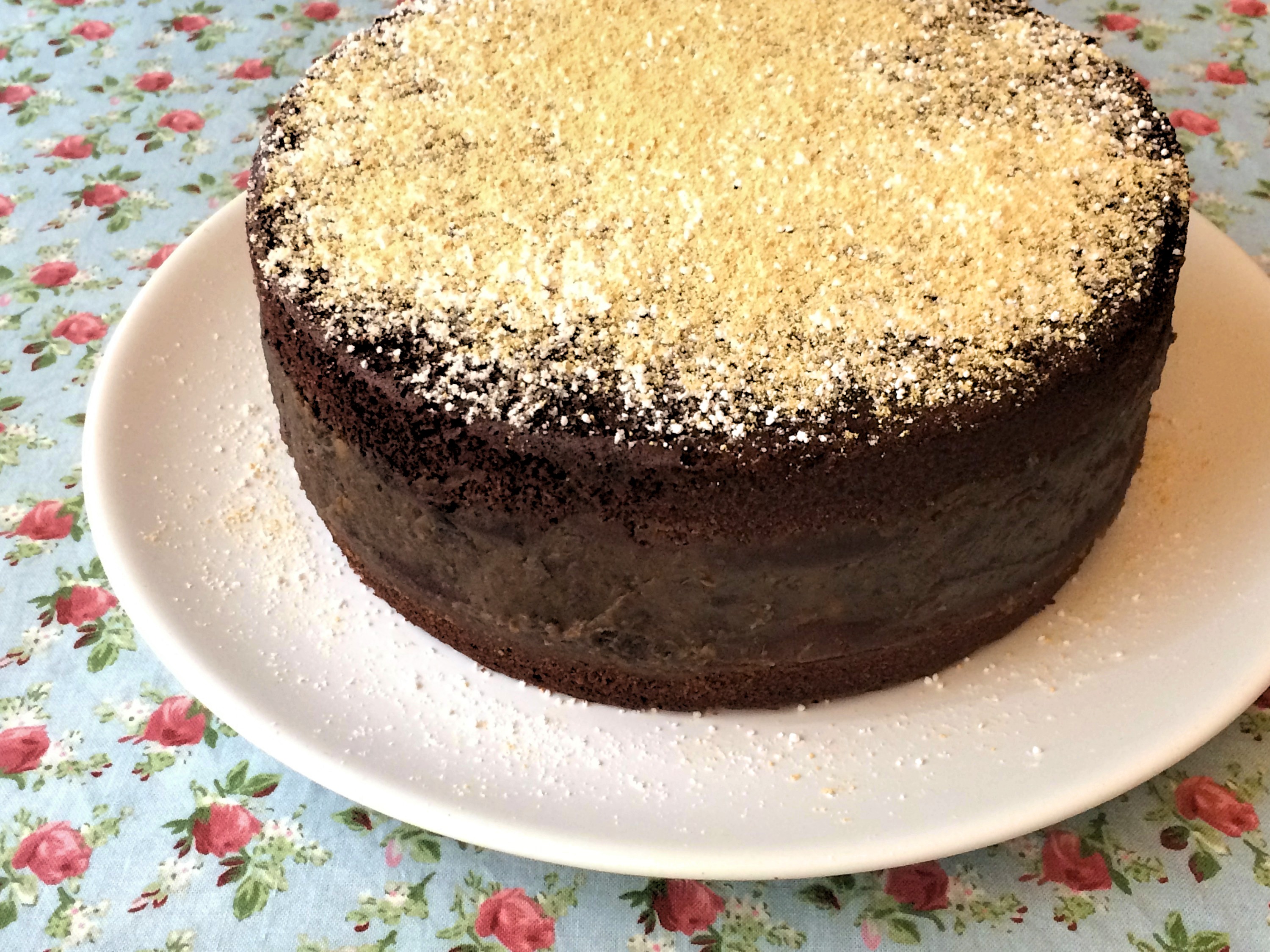
After the powdered sugar, use the same method to sprinkle some kinako on top. Or if you prefer, you can apply the kinako first and then the powdered sugar. It depends which color you would like to be more prominent.
02

And now you’re done!

03

04

06

05

After serving, cover the remaining cake and place it in the refrigerator (without preservatives apart from sugar, the homemade azuki paste can go bad if left too long at room temperature).

Variations: Use the azuki paste as cupcake filling: after filling the cupcake cups half-way full with batter, deposit a small dollop of azuki paste in the center and push it down until it’s submerged by the batter. Also try it as a frosting for the top of a single-layer cake, or as a spread for toast, etc. as mentioned in the azuki filling recipe above.